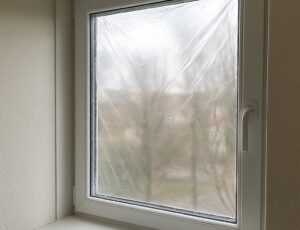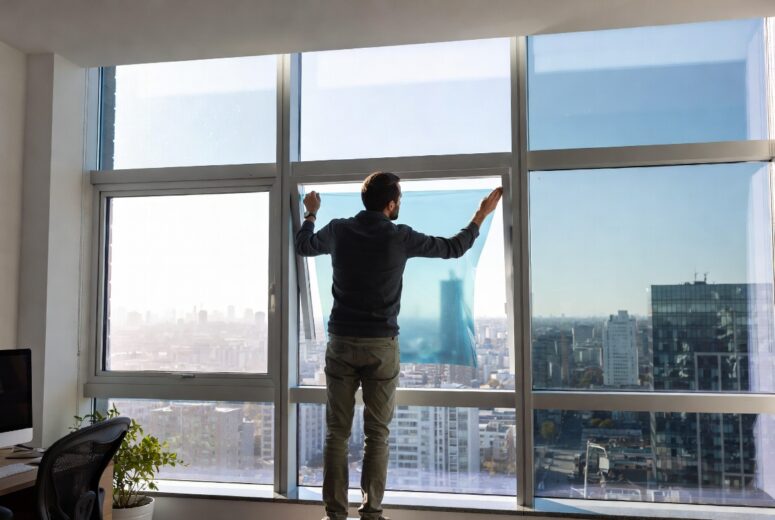
Solar film, also known as solar window film, is a thin layer of polyester-based material that is applied to glass surfaces. It is designed to reduce glare, block UV rays, and improve energy efficiency. The film is available in various shades, tints, and styles, allowing for customization to suit different aesthetic preferences and functional requirements. This adaptability makes solar film a popular choice for both retrofitting existing structures and integrating into new builds.
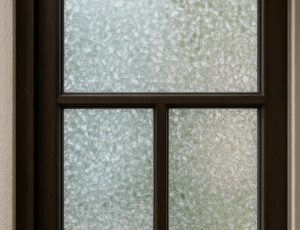
In addition to its functional benefits, solar film also offers aesthetic flexibility. With advancements in technology, solar films now come in a myriad of designs and finishes, from mirrored or frosted appearances to vibrant decorative patterns. This allows designers to use solar film not just as a functional addition but as a critical component of the visual design strategy. Whether the goal is to create a sleek, modern look or to mimic the appearance of traditional stained glass, solar film provides the versatility needed to achieve a wide range of design goals.
Before we dive into the innovative applications, let’s highlight some of the key benefits of solar film:
- Energy Efficiency: Solar film can significantly reduce heat gain in the summer and heat loss in the winter, resulting in lower energy bills. This is especially crucial for large commercial buildings where energy costs can be substantial. By insulating glass surfaces, solar film reduces the reliance on heating and cooling systems, promoting a more sustainable energy usage pattern. (For a high-level overview of how window films support energy performance, see the U.S. Department of Energy’s guidance on energy-efficient window coverings.)
- UV Protection: It blocks up to 99% of harmful UV rays, protecting interior furnishings and occupants from sun damage. Prolonged exposure to UV rays can cause fading and degradation of materials, leading to increased replacement costs over time. Solar film acts as a protective barrier, preserving the integrity and appearance of furnishings and artworks. (For more on UV filtering performance, the Skin Cancer Foundation explains UV window film benefits.)
- Glare Reduction: Solar film minimizes glare on screens and reflective surfaces, enhancing comfort and visibility. In environments where screens are heavily used, such as offices or home theaters, reducing glare is essential for maintaining productivity and comfort. Solar film helps create a more pleasant visual environment, reducing eye strain and improving the overall user experience.
- Privacy and Security: Certain types of solar film offer added privacy and can reinforce glass, making it harder to break. This is particularly beneficial in urban areas where privacy is a concern and security is a priority. The added layer of protection helps deter break-ins and adds a sense of security for occupants.
One of the most exciting new uses for solar film is its ability to enhance the visual appeal of a space. By selecting films with decorative patterns or custom designs, you can transform ordinary glass surfaces into stunning focal points. This application is particularly popular in commercial settings, where branding elements can be incorporated into the design. For instance, logos or thematic graphics can be etched onto glass doors or partitions, creating a cohesive and branded environment.
In residential spaces, decorative solar films can mimic the appearance of etched glass or stained glass, providing a high-end look without the associated costs. This is a fantastic option for interior designers looking to add a touch of elegance to windows, glass partitions, or even glass doors. Moreover, the easy application and removal of solar film make it a flexible choice for homeowners who might want to change the look of their interiors without committing to permanent fixtures.
For clients focused on sustainability, solar film is a valuable tool in improving energy efficiency. By reducing the need for air conditioning during hot months and minimizing heat loss during colder seasons, solar film contributes to a more eco-friendly home or office environment. This not only aligns with green building practices but also appeals to environmentally conscious clients who are looking to reduce their carbon footprint. Additionally, the energy savings achieved can lead to a significant return on investment over time, making it an economically sound decision.
Furthermore, energy-efficient designs are increasingly becoming a key selling point for properties. By incorporating solar film, designers can enhance the marketability of a property by showcasing its commitment to sustainability. This can be particularly attractive in regions where energy costs are high or where building regulations emphasize energy efficiency.
Solar film isn’t limited to indoor applications. It can also be used to create comfortable outdoor spaces by applying it to patio doors, pergolas, or sunrooms. This application reduces heat and glare, allowing occupants to enjoy outdoor areas without discomfort from the sun’s intense rays. For interior designers, this means offering clients an extension of their living space that can be used year-round. By creating shaded, comfortable outdoor areas, solar film enables homeowners to make the most of their outdoor spaces, enhancing their overall living experience.
Moreover, by reducing solar heat gain, solar film helps maintain a cooler environment within covered outdoor spaces. This is particularly beneficial for environments where year-round outdoor living is desirable. Solar film can transform patios and sunrooms into versatile areas that can be used for relaxation, entertaining, or even as additional workspaces, adding value and versatility to any property.
Privacy is a concern for many homeowners and businesses, and solar film offers an effective solution. Frosted or tinted solar films can be used to obscure views into a space without blocking natural light. This is ideal for bathrooms, conference rooms, or storefronts where privacy is desired but complete opacity is unnecessary. By allowing natural light to penetrate while maintaining privacy, solar film strikes an ideal balance between openness and seclusion.
In addition to privacy, certain films also enhance security by making glass surfaces more shatter-resistant. This dual function of privacy and security makes solar film an attractive option for urban dwellings or areas prone to severe weather conditions. By reinforcing glass panes, solar film can help prevent break-ins and reduce the risk of injury from shattered glass, providing peace of mind for occupants.
As an interior designer, understanding the installation process of solar film can help you guide your clients effectively. While professional installation is recommended for the best results, the process is generally straightforward and minimally disruptive. Knowing the steps involved can help you set realistic expectations and ensure a smooth installation experience for your clients.
- Consultation and Selection: Begin by assessing the client’s needs and selecting the appropriate type of solar film. Consider factors such as desired appearance, privacy level, and energy efficiency goals. This step is crucial as it determines the overall effectiveness and satisfaction with the final outcome.
- Preparation: The glass surface should be thoroughly cleaned to remove any dirt, dust, or grease. This ensures optimal adhesion and a flawless finish. Proper preparation is key to a successful application and helps prevent issues such as bubbling or peeling over time.
- Application: The solar film is carefully measured, cut, and applied to the glass surface. Installers use a solution to ensure smooth application and remove any air bubbles. This step requires precision and expertise to ensure that the film is applied evenly and without imperfections.
- Final Inspection: After installation, the film is inspected for any imperfections, and adjustments are made as needed to ensure a perfect fit. A thorough inspection guarantees that the film meets the client’s expectations and performs as intended.
With a variety of solar films available, selecting the right one for your project is crucial. Here are a few factors to consider:
- Tint Level: Determine the level of tint based on the client’s preference for light transmission and glare reduction. Different tints offer varying levels of privacy and aesthetic appeal, so it’s important to choose the right balance for the intended use.
- Aesthetic Style: Choose from decorative films, frosted finishes, or clear options depending on the desired look. The chosen style should complement the overall design scheme and enhance the visual appeal of the space.
- Functional Needs: Consider the specific needs of the space, such as privacy, UV protection, or energy efficiency. Each project will have unique requirements, and selecting the appropriate film ensures that these needs are effectively addressed.
Solar film is a versatile and innovative solution that offers a multitude of benefits for both residential and commercial spaces. As an interior designer, incorporating solar film into your projects can enhance aesthetic appeal, improve energy efficiency, and provide privacy—all while meeting the specific needs of your clients. By understanding the various applications and installation process, you can confidently recommend solar film as a cost-effective, stylish solution that elevates the living and working environments of your clients.
Whether you’re looking to create stunning visual effects, improve energy efficiency, or offer privacy solutions, solar film is a powerful tool in your design arsenal. Consider exploring the latest options in solar window film to unlock new possibilities for your next project. With its ability to adapt to a wide range of styles and requirements, solar film continues to revolutionize the way we think about window treatments and glass design, making it an essential consideration for any forward-thinking design professional.
::contentReference[oaicite:0]{index=0}