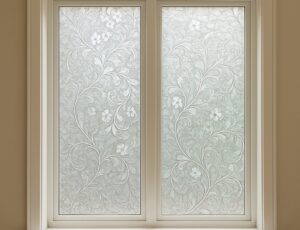
In the realm of home improvement, window film stands as a versatile and effective solution for elevating both the functionality and aesthetic appeal of your living spaces. Whether you’re aiming to enhance privacy, bolster energy efficiency, or introduce a decorative flair, window films offer a straightforward, cost-effective option. This guide will walk you through the myriad benefits and applications of window film, helping you make informed decisions tailored to your unique needs.
Understanding Window Film
Window film is a thin laminate film that can be installed on the interior or exterior of glass surfaces in your home. It is designed to provide a variety of benefits, such as increased privacy, reduced heat and glare, and enhanced safety. Available in a wide range of styles and finishes, window films can transform ordinary glass into an extraordinary design element that complements your interior decor.
Types of Window Film
- Privacy Window Film: Ideal for spaces that require a certain level of privacy without sacrificing natural light, such as bathrooms or street-facing windows.
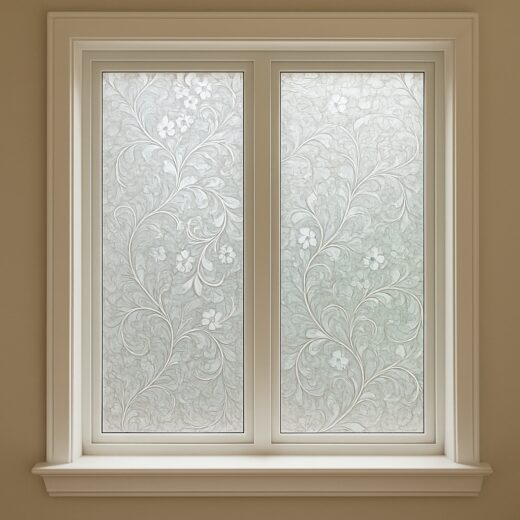
- Decorative Window Film: Offers a range of patterns and colors to enhance the visual appeal of your windows. Perfect for adding a personal touch to any room.
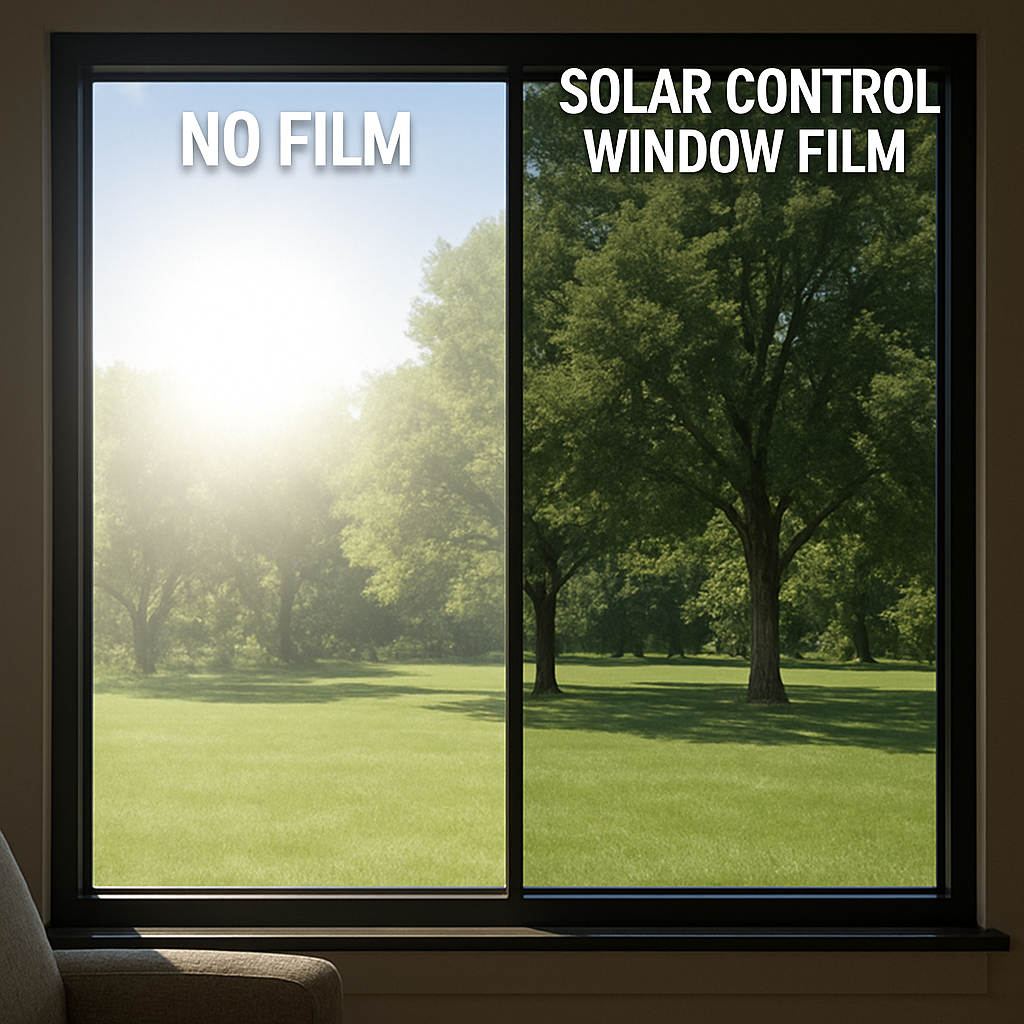
- Solar Control Film: Reduces heat and glare from the sun, helping to maintain a comfortable indoor temperature and reduce energy costs.
- Security Film: Increases the strength of glass, making it more resistant to breakage and enhancing the safety of your home.
Benefits of Window Film
Enhanced Privacy
Privacy window films are a perfect solution for areas where you need to shield views into your home while still allowing light to enter. They are available in various opacities and designs, providing you with options to suit your privacy requirements.
Aesthetic Appeal
Decorative window films offer an easy way to add style to your windows. With options ranging from frosted finishes to intricate patterns, you can achieve a look that reflects your personal taste and complements your home decor.
Energy Efficiency
Solar control films are specifically designed to reduce the amount of heat entering your home through windows. By blocking UV rays, these films help maintain a cooler indoor environment, reduce the load on your air conditioning system, and lower your energy bills.
Increased Safety and Security
Security films add an extra layer of protection to your windows, making them more resistant to impact. In the event of an accident or attempted break-in, these films can hold shattered glass together, reducing the risk of injury and deterring intruders.
Choosing the Right Window Film
Selecting the right window film involves considering your specific needs and preferences. Here are some factors to keep in mind:
Assess Your Needs
Determine what you want to achieve with window film. Are you looking for more privacy? Do you want to reduce your energy bills? Or are you simply seeking to enhance the appearance of your windows? Identifying your goals will help you choose the right type of film.
Consider the Room
The function of the room can influence your choice of window film. For example, privacy films work well in bathrooms, while decorative films can add a touch of elegance to living rooms and bedrooms.
Evaluate Light and Heat
Consider the amount of sunlight your windows receive. If you have windows that let in a lot of natural light, a solar control film might be beneficial to reduce glare and heat.
Explore Style Options
Window films come in a variety of patterns, colors, and finishes. Explore different styles to find a film that complements your interior design and enhances the overall look of your home.
Installation Process

by Bridget Adolfo (https://unsplash.com/@bridgetadolfo)
Installing window film can be a DIY project, or you can hire a professional for a flawless finish. Here’s a step-by-step guide if you choose to do it yourself:
Materials Needed
- Window film of your choice
- Spray bottle with a solution of water and a few drops of dish soap
- Utility knife
- Squeegee
- Measuring tape
- Lint-free cloth
Steps
- Measure and Cut: Measure your window and cut the film to size, leaving an extra inch on all sides for adjustments.
- Clean the Window: Use the soapy water solution and a lint-free cloth to thoroughly clean the window surface. Remove any dust or debris that could interfere with the film’s adhesion.
- Wet the Window: Spray the window with the soapy water solution. This allows you to easily reposition the film during application.
- Apply the Film: Peel the backing off the film and place it on the wet window, starting from the top and working your way down.
- Smooth and Trim: Use the squeegee to smooth out air bubbles and excess solution, working from the center towards the edges. Trim any excess film with a utility knife for a precise fit.
- Final Touches: Once the film is in place, give it a final pass with the squeegee to ensure it is fully adhered to the window surface.
Maintenance and Care
To keep your window film looking its best, follow these maintenance tips:
- Avoid Harsh Cleaners: Use mild soap and water for cleaning. Avoid ammonia-based products, which can damage the film.
- Be Gentle: Use a soft cloth or sponge when cleaning to prevent scratches.
- Inspect Regularly: Check for signs of wear or peeling and address any issues promptly to prolong the life of the film.
Conclusion
Window film presents an innovative and practical approach to enhancing your home. From increasing privacy to improving energy efficiency and adding a decorative touch, the right window film can significantly upgrade your living space. Whether you opt for a DIY installation or seek professional help, window films are a valuable investment that can transform the look and feel of your home.
By understanding the various types of window film and their benefits, you’ll be well-equipped to select the perfect solution for your home improvement project. Embrace the potential of window film and enjoy a more comfortable, stylish, and secure home environment.