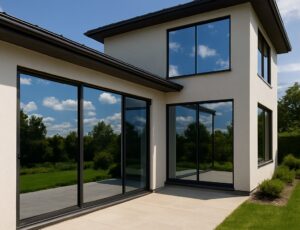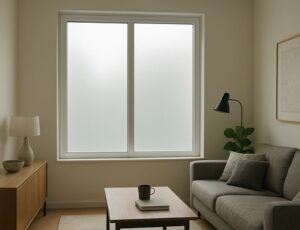
When it comes to enhancing your living space, window films are a fantastic option. They not only improve energy efficiency but also protect your interiors from harmful UV rays. However, if you’re an interior designer or a homeowner with a green thumb, you might wonder how these films impact your beloved indoor plants. Let’s explore how UV and solar window films affect indoor plants and why they might be the perfect solution for your home.
Window films are thin layers of material applied to windows to reduce the amount of heat and light passing through. They come in various types, each offering unique benefits. UV and solar window films are popular choices for homeowners looking to enhance their home’s energy efficiency and protect their interiors.
What Are UV Window Films?
UV window films are designed to block ultraviolet rays from entering your home. These rays are responsible for fading furniture, flooring, and artwork over time. By blocking up to 99% of UV rays, these films help preserve the longevity and appearance of your interiors. According to the U.S. Environmental Protection Agency, ultraviolet radiation can cause material degradation and damage over time.
What Are Solar Window Films?
Solar window films, on the other hand, focus on reducing the amount of solar heat that enters your home. This can significantly lower your cooling costs during hot months by keeping indoor temperatures more stable. Solar films can also reduce glare, making it more comfortable to watch TV or work on a computer.
How Do These Films Affect Indoor Plants?
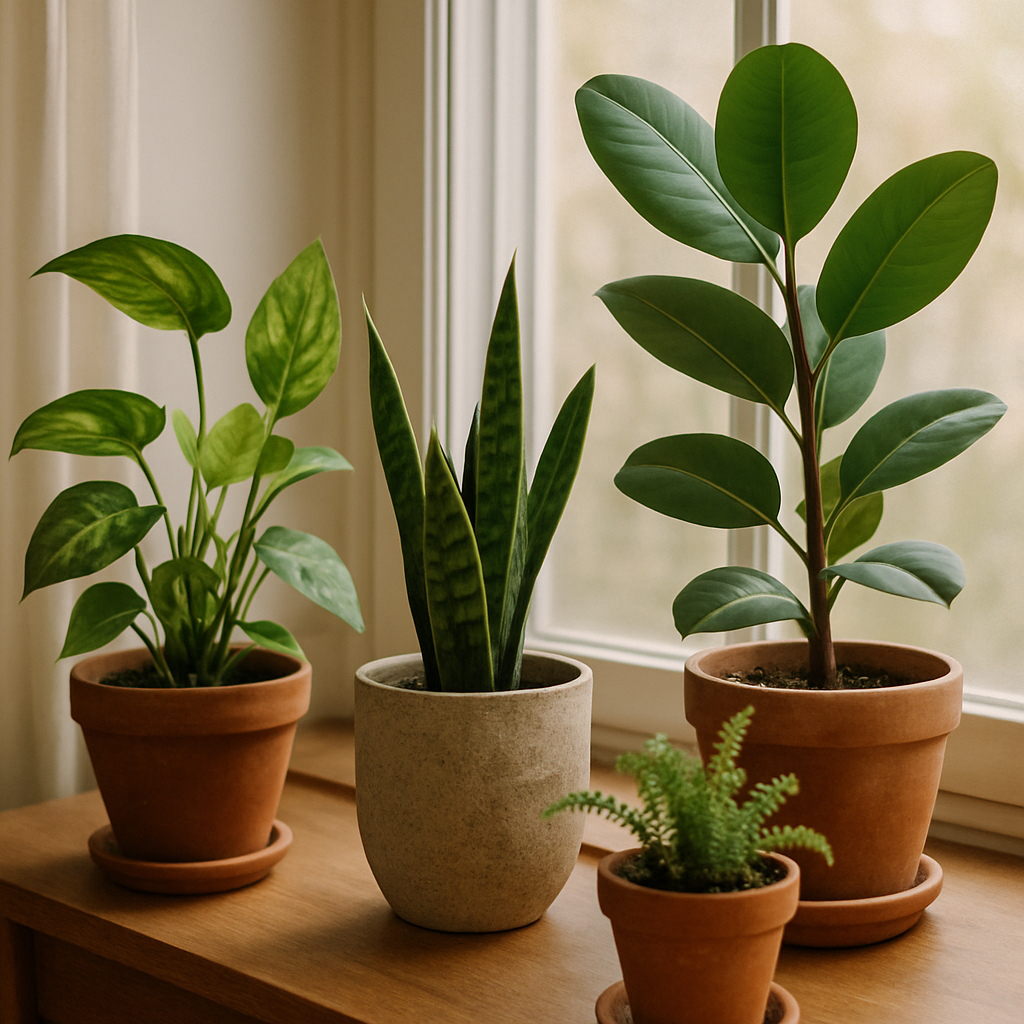
Plants rely on sunlight to perform photosynthesis, the process by which they convert light into energy. So, the question arises: do window films hinder this process? The answer is not as straightforward as it might seem. Scientific research from the Encyclopaedia Britannica explains that photosynthesis depends mainly on visible light wavelengths rather than ultraviolet light.
Reduced Light, Not Energy
While UV and solar window films reduce the intensity of light entering a room, they do not eliminate it. Most plants, especially those suited for indoor environments, can thrive under the filtered light provided by window films. In fact, by reducing the harshness of direct sunlight, these films can prevent leaf burn and dehydration in plants.
Protection from UV Damage
Just as UV rays can damage furniture and flooring, they can also harm plants. Prolonged exposure to UV radiation can lead to leaf discoloration and stunted growth. UV window films protect plants by filtering out these harmful rays, ensuring they receive only the beneficial parts of the light spectrum.
Maintaining a Balanced Environment
Solar window films contribute to a more consistent indoor climate by reducing heat buildup. This stable environment can be beneficial for plants, as extreme temperature fluctuations are often stressful for them. By maintaining a balanced indoor climate, solar films can promote healthier plant growth.
Choosing the Right Film for Your Space

When selecting types of window film for a space with indoor plants, it’s important to consider both the needs of your plants and your aesthetic preferences.
Consider the Light Requirements of Your Plants
Different plants have different light requirements. Some thrive in bright, indirect light, while others prefer low-light conditions. Before choosing a window film, assess the light needs of your plants and choose a film that provides the appropriate level of light filtering.
Balancing Aesthetics and Functionality
Window films come in various shades and finishes, allowing you to customize the look of your windows. Whether you prefer a clear film that offers an unobstructed view or a tinted film for added privacy, there’s a window film to suit your style.
Professional Installation for Best Results
For optimal performance and longevity, it’s advisable to have your window films professionally installed. A skilled installer can ensure the film adheres properly and provides the maximum benefits without compromising the appearance of your windows.
Benefits of UV and Solar Window Films
Beyond their impact on indoor plants, UV and solar window films offer several advantages that make them a worthwhile investment for any home.
Energy Savings
By reducing the amount of heat entering your home, solar window films can lower your reliance on air conditioning, leading to significant energy savings. This not only reduces your utility bills but also lessens your environmental footprint.
Enhanced Comfort
By minimizing glare and maintaining a consistent indoor temperature, window films can create a more comfortable living environment. This is especially beneficial in spaces with large windows or those that receive direct sunlight for extended periods.
Protection for Your Interiors
UV window films protect your interiors by blocking harmful rays that cause fading and damage. This extends the lifespan of your furniture, flooring, and artwork, preserving the beauty of your home for years to come.
Conclusion
UV and solar window films are versatile solutions that offer a range of benefits for homeowners and interior designers alike. They enhance energy efficiency, protect interiors, and create a balanced environment for indoor plants. By understanding the needs of your plants and choosing the right film, you can enjoy a more comfortable and sustainable living space without compromising the health of your greenery.
Whether you’re looking to reduce your energy bills, protect your interiors, or create a plant-friendly environment, UV and solar window films are a smart choice. Consider consulting with a professional installer to find the perfect solution tailored to your needs.
By embracing these innovative window solutions, you can transform your home into a stylish, energy-efficient sanctuary where both you and your plants can thrive.