When it comes to home improvement, window films are often overlooked yet incredibly effective solutions. Especially in regions where the sun’s heat can be relentless, investing in the best home window film for heat rejection can make a significant difference in comfort and energy savings. Let’s dive into the little-known benefits of these films and why they’re a must-have for any homeowner looking to enhance their living space.
Window films are thin layers of polyester or other materials applied to the interior or exterior of glass surfaces in homes. They are designed to reduce the amount of heat entering a building through the windows, thus offering a range of benefits from energy efficiency to increased privacy.
How Window Films Work
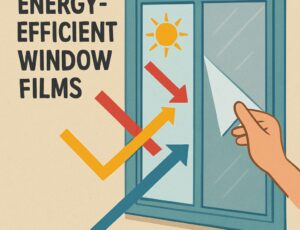
Window films work by reflecting, absorbing, or filtering sunlight. The best home window films for heat rejection typically contain multiple layers of materials that reflect ultraviolet (UV) rays and infrared light, the main contributors to heat buildup in homes. By doing so, they help maintain a cooler indoor environment without over-relying on air conditioning systems.
Benefits of Home Window Films for Heat Rejection
Energy Efficiency
One of the primary benefits of window films is increased energy efficiency. By reducing the amount of heat that enters a home, these films can significantly lower the reliance on air conditioning systems, leading to lower energy bills. According to the U.S. Department of Energy, windows are responsible for 25% to 30% of residential heating and cooling energy use. Installing window films can cut this energy use by a substantial margin.
Enhanced Comfort
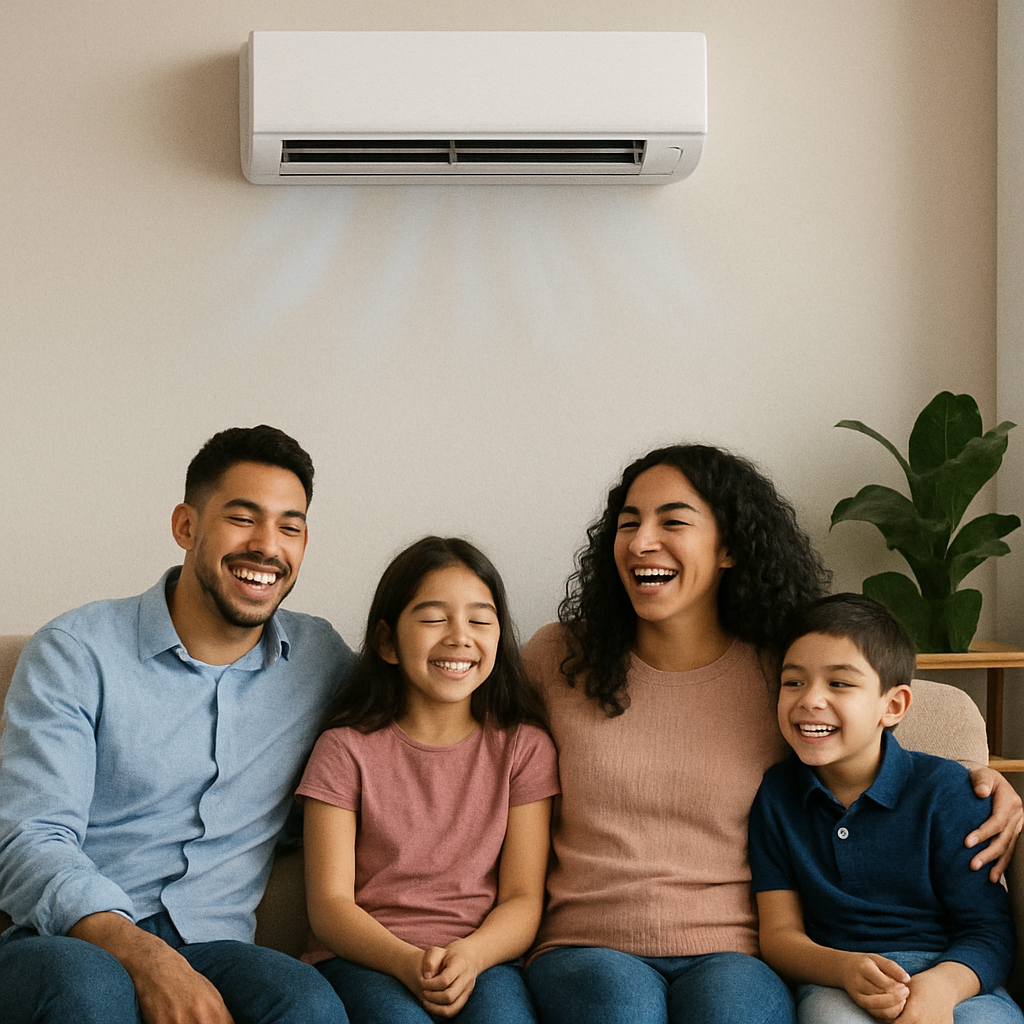
Window films not only keep your home cooler in the summer but also help maintain a more consistent indoor temperature year-round. This results in a more comfortable living environment for you and your family. By reducing glare, window films also make it easier to watch television or use computers without the discomfort of excessive sunlight.
Protection from UV Rays
Ultraviolet rays can cause significant damage to your home’s interior, including fading furniture, carpets, and artwork. The best home window films block up to 99% of these harmful rays, protecting your home’s interior and extending the life of your furnishings. Learn more about UV exposure and protection from the Environmental Protection Agency.
Privacy and Security
Window films can also provide an additional layer of privacy without sacrificing natural light. Tinted films make it difficult for outsiders to see inside your home, which can be particularly beneficial for homes located in busy neighborhoods. Additionally, some films are designed to hold glass together in the event of breakage, adding an element of security by reducing the risk of injury from shattered glass.
Aesthetic Appeal
With a variety of shades, colors, and patterns available, window films can enhance the aesthetic appeal of your home. Whether you’re looking for a subtle tint or a decorative pattern, there’s a window film option to suit every design preference.
Types of Window Films

by Sraboni Panday (https://unsplash.com/@sraboni21)
Understanding the different types of window films available can help you make an informed decision that best suits your needs.
Solar Control Films
These are the most common types used for heat rejection. They reflect and absorb solar energy, significantly reducing heat gain and glare. Solar control films are ideal for south-facing windows that receive a lot of sunlight throughout the day.
Insulating Films
Also known as window insulation films, these are perfect for maintaining indoor temperatures during colder months. They work by adding an insulating layer to windows, reducing heat loss and helping to keep your home warm.
Security Films
As mentioned earlier, security films are designed to hold glass together in the event of an impact. They offer both security and energy-saving benefits, making them a versatile option for homeowners.
Decorative Films
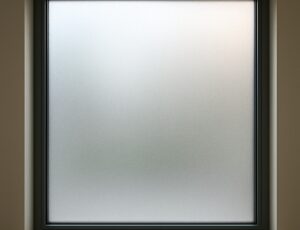
If enhancing the aesthetic appeal of your home is a priority, decorative films offer a wide range of designs and patterns. They can be used to add privacy or simply to beautify windows, all while providing some degree of heat rejection.
Installation and Maintenance
Installing window films is a straightforward process, but for the best results, professional installation is recommended. Professionals have the expertise to ensure that the film is applied smoothly and without bubbles, which can affect performance and aesthetics.
Maintenance of window films is minimal. Regular cleaning with a soft cloth and a mild, non-abrasive cleaning solution will keep them looking and performing their best. It’s important to avoid using harsh chemicals or abrasive materials, which can damage the film.
Choosing the Best Home Window Film for Heat Rejection
When selecting a window film, consider your primary goals: Are you looking to save on energy costs, enhance privacy, or improve the aesthetic appeal of your home? Understanding your priorities will help you choose the right film for your needs.
Additionally, pay attention to the film’s specifications, such as the amount of heat rejection, UV protection, and light transmission. These factors will determine the film’s effectiveness in achieving your desired outcomes.
Conclusion
Window films are a cost-effective and versatile solution for improving your home’s energy efficiency, comfort, and aesthetic appeal. By investing in the best home window film for heat rejection, you can enjoy a cooler, more comfortable living space while also protecting your home’s interior from UV damage.
Whether you’re an interior designer sourcing solutions for clients or a homeowner looking to enhance your living environment, window films offer a simple yet powerful way to achieve your goals. With the right choice and professional installation, you can transform your windows into functional and stylish features of your home.