# Pros and Cons of Solar Film For Windows
When it comes to enhancing the comfort and efficiency of your living space, solar film for windows offers a compelling solution. Solar window tint and privacy window film are options that can help homeowners and interior designers achieve both aesthetic and functional goals. However, like any home improvement choice, solar films come with their own set of advantages and disadvantages. In this article, we’ll explore the pros and cons of solar film for windows, helping you make an informed decision about whether it’s the right choice for your needs.
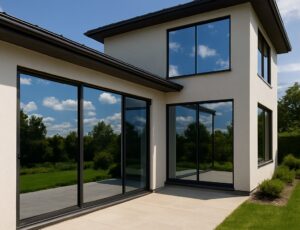
Solar film is a thin, multi-layered film applied to the inside surface of windows. It is designed to reduce heat, block harmful UV rays, and improve energy efficiency. Available in various shades and finishes, solar window tint can also enhance privacy and add a stylish touch to your windows. According to the U.S. Department of Energy, window films and treatments can significantly reduce heat gain in homes, improving comfort and efficiency.
Types of Solar Film
- Reflective Solar Film: This type of film has a metallic finish that reflects sunlight, reducing heat and glare.
- Dyed Solar Film: A non-reflective option that absorbs solar energy, offering a subtler appearance.
- Ceramic Solar Film: Made with advanced nanotechnology, this option provides excellent clarity and heat reduction without the metallic look.
Pros of Solar Film for Windows
Energy Efficiency
One of the most significant advantages of solar film is its ability to improve energy efficiency. By reducing the amount of heat that enters your home, solar window tint can lower your reliance on air conditioning during hot months, potentially saving you money on energy bills.
UV Protection
Solar films block up to 99% of harmful UV rays. This not only protects your skin but also prevents fading of your furniture, flooring, and artwork, preserving the longevity of your interior design elements. The Environmental Protection Agency explains that prolonged UV exposure can damage materials and contribute to health risks.
Glare Reduction
If you’ve ever struggled with glare on your computer screen or television, solar film can help. It significantly reduces glare, making it easier to see screens and read without straining your eyes.
Enhanced Privacy
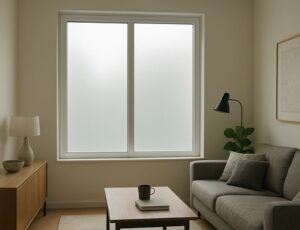
Privacy window film offers an added layer of privacy by obstructing the view into your home from the outside. This is particularly beneficial for ground-level rooms or spaces with large windows.
Aesthetic Appeal
Solar films come in a variety of shades and styles, allowing you to choose an option that complements your interior design. Whether you prefer a sleek, modern look or something more subtle, there’s a solar film to match your aesthetic.
Easy Installation
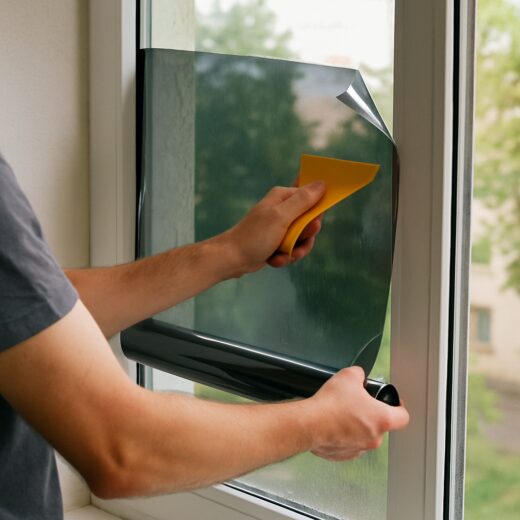
Compared to other window treatments, solar films are relatively easy to install and can often be applied without professional help, although expert installation ensures optimal performance and longevity.
Cons of Solar Film for Windows
Initial Cost
The upfront cost of solar film can be a consideration for some homeowners. Although it’s generally more affordable than replacing windows, it still requires an investment. However, many find that the long-term energy savings and benefits justify the expense.
Potential for Bubbling and Peeling
If not installed correctly, solar films can bubble or peel over time, especially when exposed to high humidity or direct sunlight. Professional installation can minimize this risk, ensuring a smooth and durable finish.
Limited Longevity
While solar films are durable, they don’t last forever. Over time, they may degrade or lose effectiveness, requiring replacement. The lifespan of solar film typically ranges from 5 to 15 years, depending on the quality and environmental conditions.
Reduced Natural Light

by Enrique Palacios (https://unsplash.com/@epalacios55)
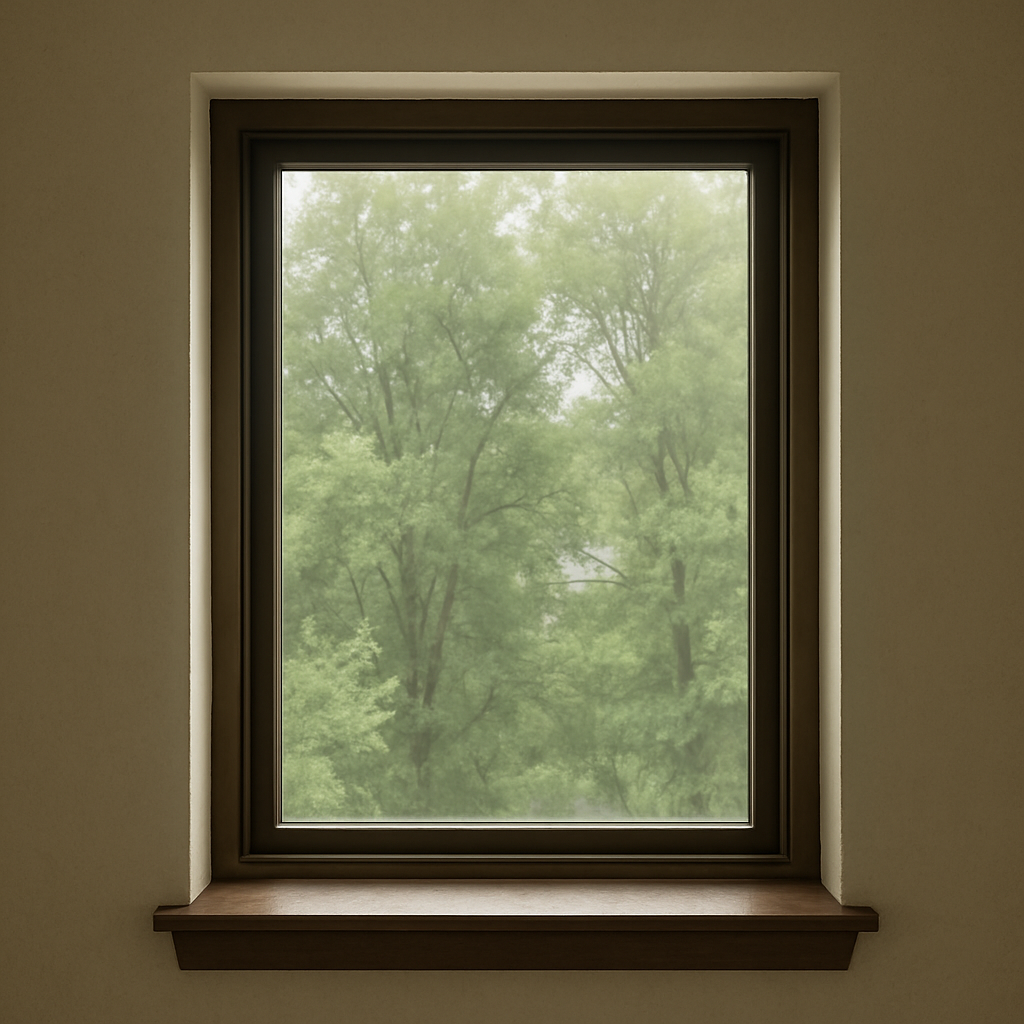
Some types of solar film, particularly darker shades, can reduce the amount of natural light entering your home. This may not be ideal for those who enjoy bright, sunlit spaces.
Not Suitable for All Window Types
Solar films are not recommended for certain types of windows, such as those with damaged seals or double-pane windows that are prone to condensation. It’s important to consult with a professional to determine if your windows are suitable for film application.
Making the Right Choice
When deciding whether to install solar film for your windows, consider your specific needs and goals. Are you primarily interested in reducing energy costs? Do you need additional privacy? Or are you looking for a way to protect your furnishings from UV damage?
Tips for Choosing the Right Solar Film
- Assess Your Needs: Determine the primary purpose of the solar film, whether it’s energy efficiency, UV protection, privacy, or aesthetics.
- Consult a Professional: An expert in window film installations can provide valuable insights and recommendations tailored to your home or office environment.
- Consider Your Budget: While solar film offers long-term savings, it’s important to choose a product that fits within your budget.
- Evaluate Window Conditions: Ensure your windows are in good condition and suitable for film application to avoid potential issues.
Conclusion
Solar film for windows presents a viable solution for homeowners and interior designers seeking to enhance both the functionality and appearance of their spaces. While there are some drawbacks to consider, the benefits often outweigh the cons, making it a worthwhile investment for many.
By carefully weighing the pros and cons and consulting with a professional, you can make an informed decision that aligns with your specific needs and enhances your living environment.
Remember, the right solar film can not only transform your windows but also contribute to a more comfortable, stylish, and energy-efficient home.