When it comes to enhancing both the aesthetics and functionality of your home, mirror window tint can be a game-changer. This innovative solution not only boosts privacy but also helps in controlling the temperature and reducing glare. If you’re considering window tinting, here are some smart tips for choosing the right mirror window tint for your needs.
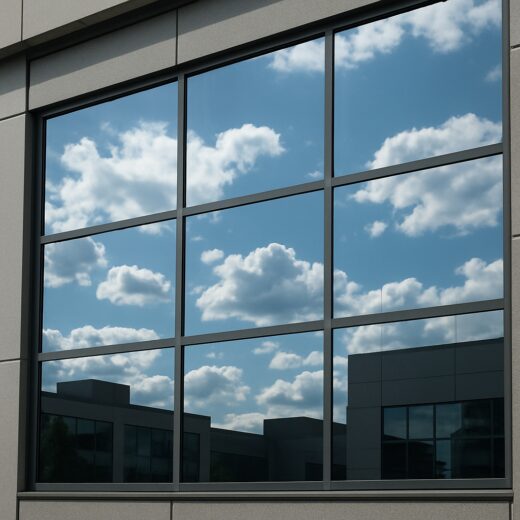
Reflective window film, often referred to as mirror window tint, is a popular choice for homeowners who desire increased privacy without sacrificing natural light. Unlike traditional curtains or blinds, reflective films allow you to maintain a view of the outside while preventing outsiders from peering in. This dual benefit makes reflective window films an excellent investment for modern homes.
Benefits of Mirror Window Tint
- Enhanced Privacy: During daylight, the reflective quality of the film creates a mirror-like effect on the outside, ensuring privacy without the need for additional window treatments.
- Energy Efficiency: By reflecting a significant portion of the sun’s rays, mirror window tints help in maintaining a consistent indoor temperature, reducing the need for air conditioning, and thus lowering energy bills.
- Glare Reduction: Excessive glare can be uncomfortable and even damaging to your eyes. Mirror tints reduce glare significantly, making your living spaces more comfortable.
- UV Protection: These films block up to 99% of harmful UV rays, protecting your furniture, flooring, and other interior elements from fading.
- Aesthetic Appeal: Mirror window tints give your home a sleek, modern look from the outside, enhancing its curb appeal.
Choosing the Right Window Privacy Film
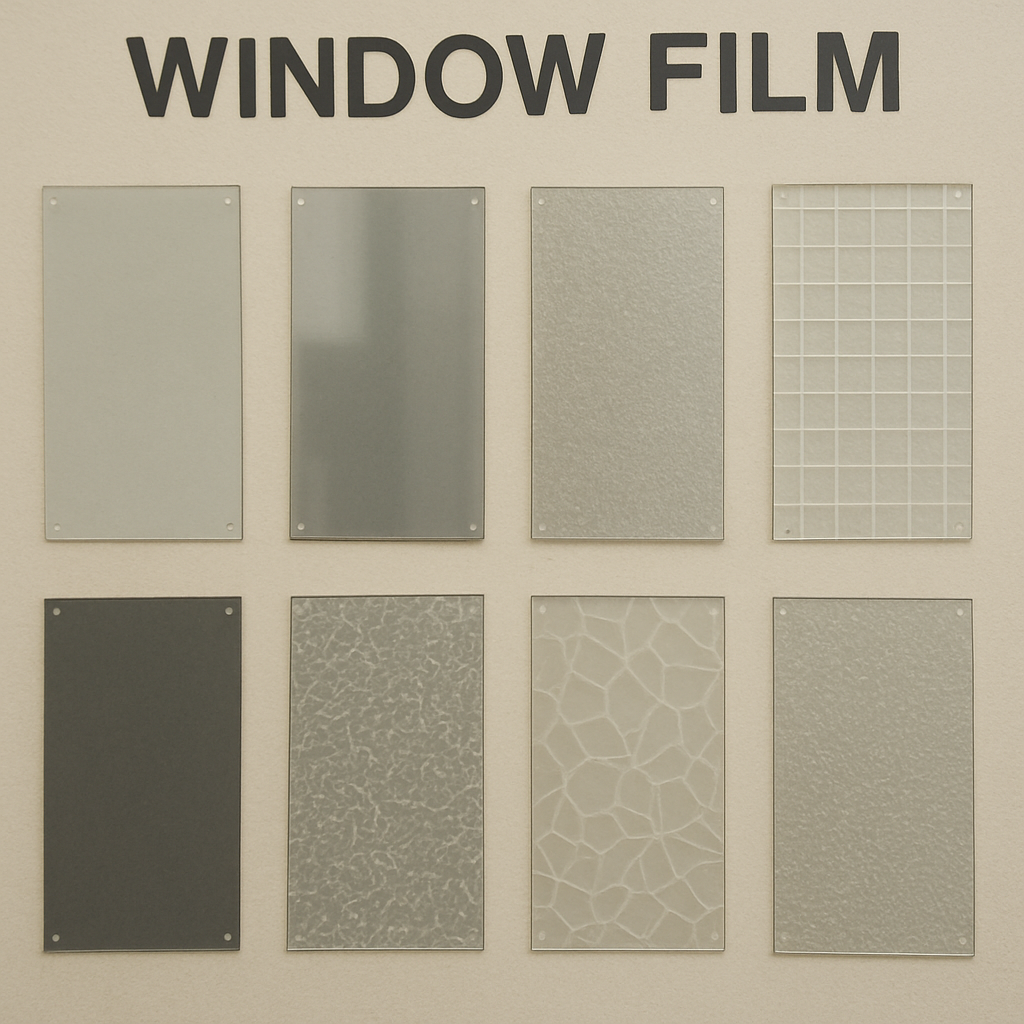
Selecting the right window privacy film involves more than just picking a color or style. Here are some key considerations to keep in mind:
Assess Your Needs
- Privacy vs. View: Consider how much privacy you need versus how much view you want to maintain. Some films offer higher privacy at the cost of a reduced view.
- Daylight vs. Nighttime: Remember that most reflective films work best during the day. At night, with indoor lights on, the effect may reverse, so consider additional treatments like curtains for nighttime privacy.
Evaluate Film Specifications
- Visible Light Transmission (VLT): This measures how much light passes through the film. Lower VLT means less light, which can be beneficial for glare reduction but might darken your rooms.
- Solar Heat Gain Coefficient (SHGC): This indicates how well the film blocks heat from the sun. A lower SHGC means better heat blocking.
- UV Rejection Rate: For maximum protection against fading and UV damage, choose films with a high UV rejection rate.
Consider Aesthetic Preferences
Reflective window films come in various shades and colors. Choose one that complements your home’s exterior and interior decor. A silver or gray tint can offer a modern look, while a bronze film might blend better with traditional styles.
Professional Installation vs. DIY

by Bridget Adolfo (https://unsplash.com/@bridgetadolfo)
While DIY installations can save money, professional installation ensures the best results. Here’s why:
Precision and Quality
Professional installers have the expertise to apply window films without bubbles, creases, or imperfections, which can be challenging for novices.
Warranty and Longevity
Many manufacturers offer warranties only if the film is installed by a certified professional. This not only provides peace of mind but also ensures your investment lasts longer.
Time and Effort
A professional can complete the job quickly and efficiently, saving you time and reducing the potential for frustration.
Maintenance and Care for Your Mirror Window Tint
To keep your window films looking their best and functioning effectively, regular maintenance is crucial. Here are some tips:
Cleaning Tips
- Use Mild Cleaners: Avoid harsh chemicals that can damage the film. Instead, use a mild soap and water solution with a soft cloth.
- Avoid Abrasive Materials: Never use abrasive pads or brushes as they can scratch the surface of the film.
Regular Inspections
- Check for Damage: Regularly inspect the film for any signs of peeling or bubbling, which could indicate it needs professional attention.
- Monitor Performance: If you notice increased glare or heat, it might be time to consult a professional to assess the film’s condition.
Conclusion: Making the Smart Choice
Choosing the right mirror window tint can significantly enhance your home’s comfort, privacy, and energy efficiency. By understanding your needs, evaluating film specifications, and opting for professional installation, you can ensure that you make an informed decision that adds value to your living space.
Whether you’re an interior designer looking to enhance your clients’ homes or a homeowner seeking innovative solutions, mirror window tints offer a versatile and effective option to meet your needs. With the right choice, you can enjoy a more comfortable, stylish, and energy-efficient home.