When it comes to home improvement, window tint film is a versatile and practical solution that offers numerous benefits. For interior designers and homeowners alike, understanding the advantages of window tint film can be a game-changer. Not only does it enhance the aesthetics of a space, but it also improves energy efficiency and provides privacy. Let’s explore some essential facts about window tint film for your home.
Window tint film is a thin laminate film that can be installed on the interior or exterior of glass surfaces in homes. It is made from a variety of materials, including polyester and metalized coatings, designed to control sunlight, provide privacy, and offer protection against harmful UV rays. The film comes in various shades and finishes, allowing homeowners to choose the level of tint that suits their needs.
Types of Window Tint Film
There are several types of window tint film available, each designed to serve a specific purpose:
- Solar Control Film: This type of film reduces glare, blocks UV rays, and helps maintain a consistent indoor temperature, leading to lower energy bills.
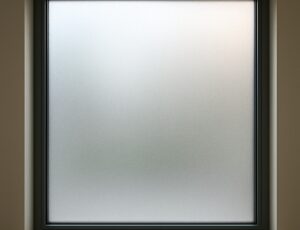
- Privacy Window Film: As the name suggests, this film provides privacy by obscuring the view from the outside while maintaining visibility from the inside.
- Decorative Film: Ideal for enhancing the aesthetic appeal of a space, decorative films come in various patterns and designs.
- Security Film: This film adds an extra layer of protection to your windows, making it difficult for intruders to break through.
- Anti-Graffiti Film: Protects windows from vandalism and can be easily replaced if damaged.
Benefits of Home Window Tint
Energy Efficiency
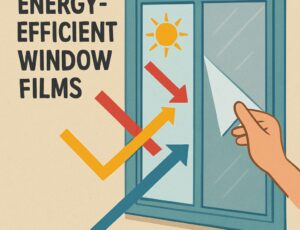
One of the most significant benefits of installing window tint film is improved energy efficiency. By blocking a significant portion of solar heat, window tint helps regulate indoor temperatures, reducing the need for air conditioning in the summer and heating in the winter. This leads to lower energy consumption and reduced utility bills, making it a cost-effective solution for homeowners. According to the U.S. Department of Energy, energy-efficient window solutions can significantly reduce household energy use.
UV Protection
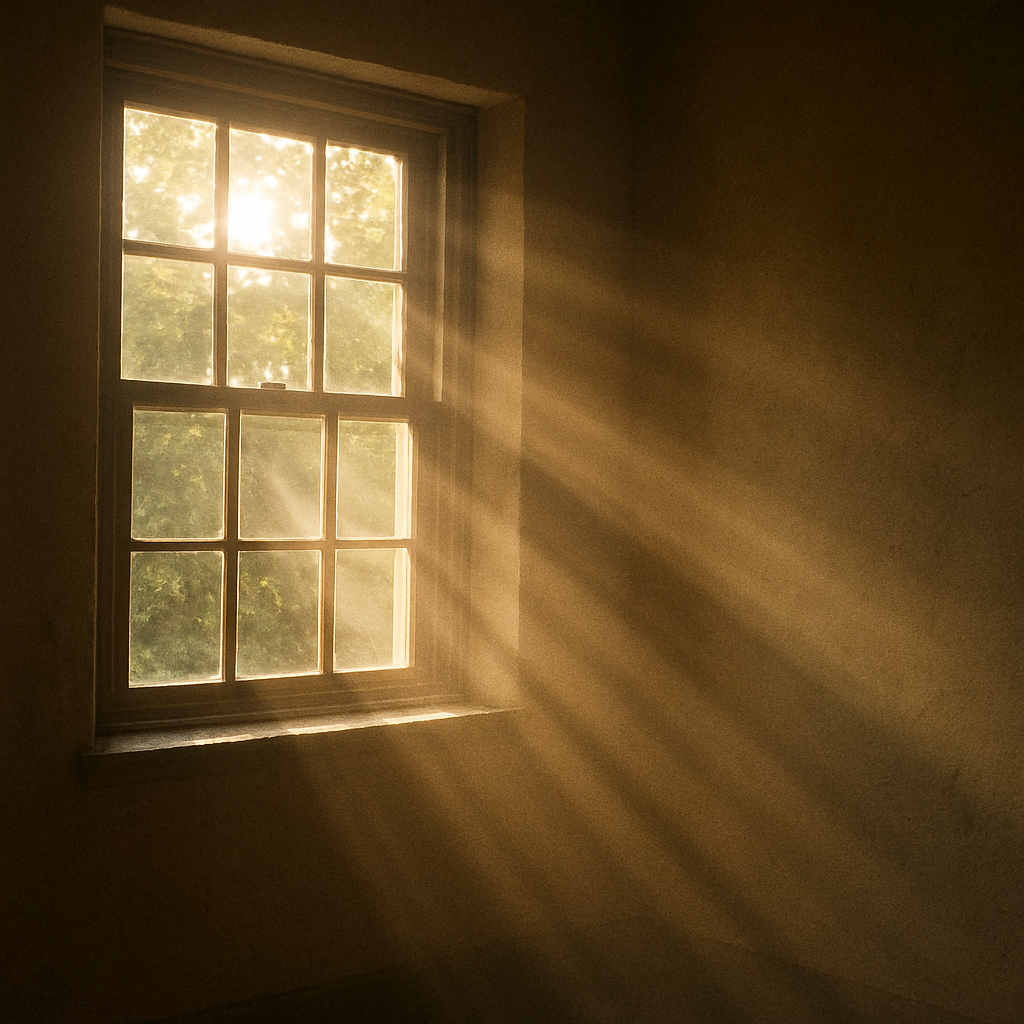
Prolonged exposure to ultraviolet (UV) rays can cause damage to furniture, flooring, and artwork. Window tint film blocks up to 99% of harmful UV rays, protecting your interiors from fading and deterioration. This protection not only preserves the aesthetic value of your home but also extends the life of your furnishings. The Environmental Protection Agency (EPA) highlights the importance of limiting UV exposure to protect materials and indoor environments.
Enhanced Privacy
Privacy is a major concern for many homeowners, especially those living in densely populated areas. Privacy window film allows you to enjoy natural light while preventing outsiders from peering into your home. It offers a perfect balance of visibility and seclusion, ensuring that your personal space remains private without compromising on style.
Improved Aesthetics
Window tint film adds a touch of elegance and sophistication to any room. With a wide range of styles, colors, and patterns available, you can choose a film that complements your interior design. Decorative films are particularly popular for creating unique and personalized spaces, allowing you to express your style creatively.
Increased Safety and Security
Windows are a vulnerable point in any home, and a security window film can provide an extra layer of protection. The film holds shattered glass together, reducing the risk of injury from flying shards in the event of an accident or break-in. This added security feature can give homeowners peace of mind, knowing their home is better protected.
Considerations for Choosing Window Tint Film
When selecting window tint film, several factors should be considered to ensure you make the right choice for your home:
Climate
The climate in your area will influence the type of film that is most effective. In hotter climates, solar control films are ideal for reducing heat gain, while in colder regions, insulating films may be more beneficial.
Privacy Needs
Consider the level of privacy you require. For rooms facing busy streets or neighboring properties, privacy films can offer the seclusion you desire without sacrificing natural light.
Aesthetic Preferences
Choose a tint that enhances your home’s design. Whether you prefer a subtle, barely-there look or a bold decorative statement, there’s a film to match your style.
Installation and Maintenance

by Bridget Adolfo (https://unsplash.com/@bridgetadolfo)
Professional installation is recommended for the best results, as it ensures a smooth, bubble-free finish. Once installed, window tint film requires minimal maintenance. Regular cleaning with a soft cloth and mild detergent is usually sufficient to keep the film looking its best.
Conclusion
Window tint film is a smart investment for any homeowner looking to enhance their living space. From energy savings and UV protection to privacy and aesthetic improvements, the benefits of window tint film are numerous. By understanding the different types of films available and their unique advantages, you can select the perfect solution for your home. Whether you’re an interior designer seeking eco-friendly options for clients or a homeowner looking to improve comfort and style, window tint film is a versatile and valuable addition to any home.