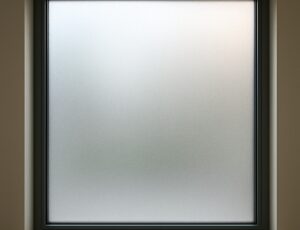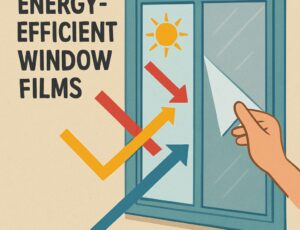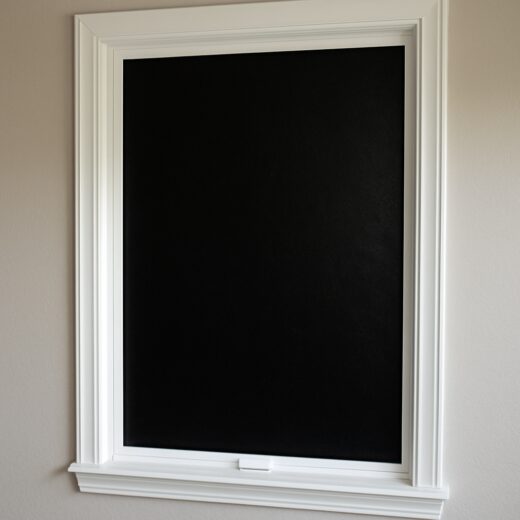
In the realm of home improvement, window film stands out as a versatile and cost-effective solution. Among the various types of window films available, black window film is particularly popular for its aesthetic appeal and functional benefits. Whether you’re an interior designer seeking to enhance your clients’ spaces or a homeowner looking to improve privacy and energy efficiency, understanding black window film can help you make informed decisions.
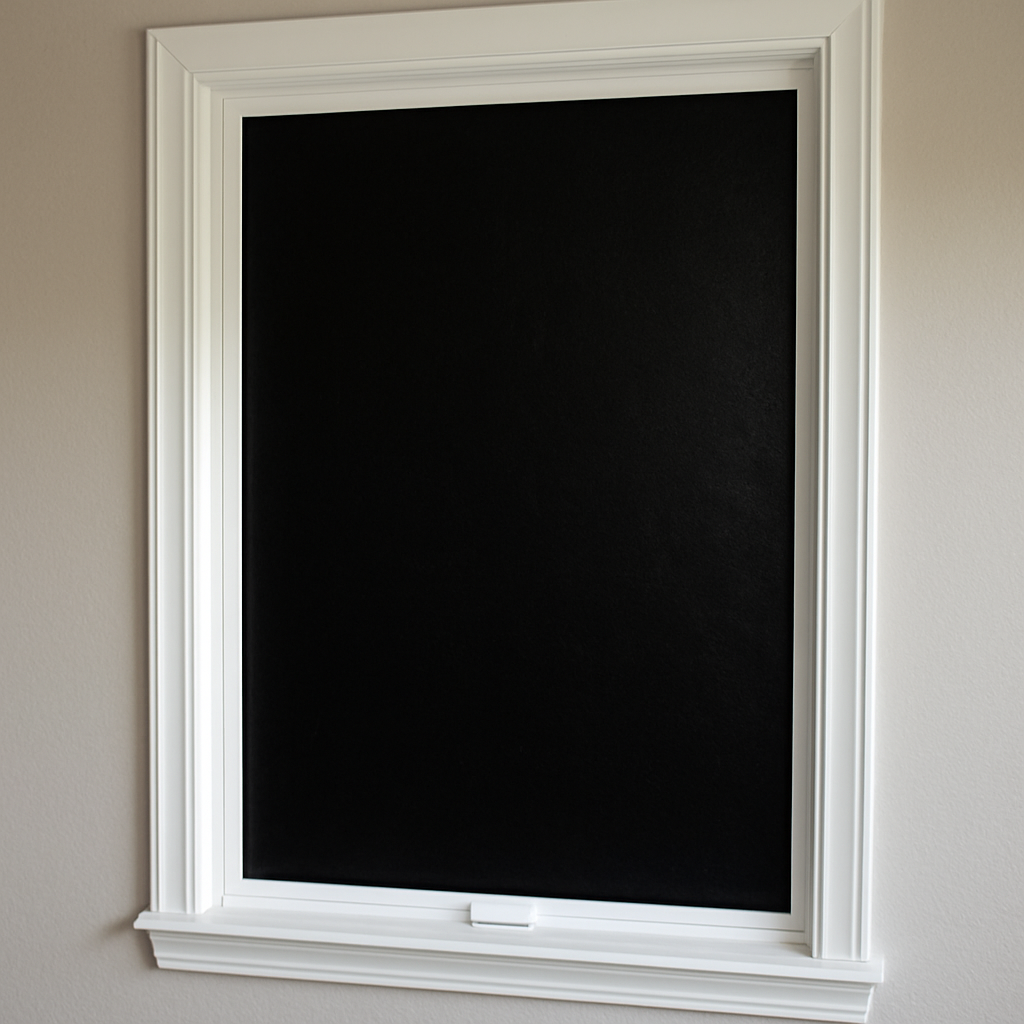
Black window film is a type of window privacy film designed to reduce glare, increase privacy, and enhance the appearance of windows. It is made from a thin layer of polyester or vinyl that is treated with dyes or metalized coatings to achieve its dark appearance. This film is available in various shades of black, allowing users to choose the level of darkness that best suits their needs.
Material Composition
Black window film is typically composed of durable polyester or vinyl materials. These materials are chosen for their strength, flexibility, and ability to adhere smoothly to glass surfaces. The film is treated with specialized dyes or metalized coatings to achieve its distinctive dark hue, providing an effective balance of transparency and opacity.
Variations in Shade
One of the significant advantages of black window film is its availability in different shades. From light charcoal tints to deep, opaque blacks, these variations allow users to select the precise level of light filtration and privacy they desire. Lighter shades offer subtle privacy with minimal impact on natural light, while darker options provide comprehensive coverage.
Application Versatility
The versatility of black window film extends beyond residential use. It is equally popular in commercial spaces and automotive applications. In offices, it can enhance privacy and reduce glare on computer screens, while in vehicles, it provides a sleek, polished look alongside privacy and UV protection.
Key Features of Black Window Film
- Privacy: One of the primary reasons people choose black window film is for increased privacy. It prevents outsiders from seeing into your space while still allowing you to see out.
Enhanced Privacy
Black window film acts as a shield against prying eyes, offering unparalleled privacy for homes and businesses. It creates a one-way mirror effect, allowing occupants to see outside without being seen from the exterior. This feature is particularly beneficial for ground-floor windows or spaces exposed to high foot traffic.
- Glare Reduction: The dark tint helps reduce glare from the sun, making it easier to watch television or work on a computer without straining your eyes.
Glare Minimization
One of the standout features of black window film is its ability to minimize glare. By filtering out excessive sunlight, it creates a more comfortable indoor environment, reducing eye strain and enhancing visibility on screens. This makes it an ideal choice for living rooms, home offices, and any space where screen-based activities occur.
- Aesthetic Appeal: Black window film gives windows a sleek, modern look that can enhance the overall design of a room or building.
Modern Aesthetic Enhancement
Beyond its functional benefits, black window film significantly contributes to the aesthetic appeal of a space. It provides a sleek, modern look that complements contemporary design trends. Whether used in a minimalist interior or a more traditional setting, the film adds a touch of elegance and sophistication.
Versatile Design Options
With an array of shades and finishes, black window film offers versatile design options to suit various architectural styles. From subtle tints that blend seamlessly with existing decor to bold, statement-making dark films, homeowners and designers have the freedom to customize the look and feel of their spaces.
Benefits of Using Black Window Film
Energy Efficiency
Black window film can significantly improve energy efficiency in a home or office. By blocking out a portion of the sun’s heat, it helps maintain a consistent indoor temperature. This means less reliance on air conditioning during the summer, leading to reduced energy bills.
Temperature Regulation
The film’s ability to block a portion of solar heat gain is key to maintaining a comfortable indoor climate. During hot summer months, it prevents excessive heat from penetrating through windows, reducing the need for air conditioning and leading to substantial energy savings.
Seasonal Versatility
Beyond summer, black window film offers benefits in cooler months as well. It helps retain indoor heat, minimizing energy loss through windows. This dual functionality makes it a smart investment for year-round energy efficiency and climate control.
Economic Benefits
By reducing reliance on heating and cooling systems, black window film can lead to lower energy bills, offering a quick return on investment. Over time, the savings on utilities can offset the initial cost of installation, making it an economically sound choice for homeowners and businesses alike.
Protection from UV Rays
Harmful UV rays from the sun can cause fading of furniture, carpets, and artwork. Black window film blocks a substantial amount of these rays, protecting your interior furnishings and prolonging their lifespan.
Preservation of Interiors
UV protection is a crucial benefit of black window film. By blocking up to 99% of harmful UV rays, it preserves the color and integrity of furniture, flooring, and artwork. This protection is essential for maintaining the aesthetic and functional value of interior spaces.
Health Benefits
In addition to protecting furnishings, blocking UV rays contributes to occupant health. Prolonged exposure to UV radiation can lead to skin damage and increase the risk of skin cancer. Black window film serves as an effective barrier, safeguarding occupants from these harmful effects.
Longevity of Investments
For businesses and homeowners, extending the lifespan of interior elements is a significant advantage. By mitigating UV damage, black window film ensures that investments in decor and furnishings remain valuable and visually appealing for years to come.
Enhanced Security
The application of black window film can also enhance the security of your windows. In the event of an attempted break-in or an accident, the film holds shattered glass together, reducing the risk of injury and making it more difficult for intruders to gain entry.
Shatter Resistance
One of the lesser-known benefits of black window film is its ability to hold glass shards together in the event of breakage. This feature not only reduces the risk of injury from flying glass but also acts as a deterrent against break-ins, as it makes smashing windows more challenging.
Increased Deterrence
The added layer of security provided by black window film serves as a deterrent to potential intruders. Knowing that windows are reinforced makes properties less attractive targets, enhancing overall security and peace of mind for occupants.
Safety in Emergencies
In the case of natural disasters or accidents, the film’s shatter-resistant properties play a vital role in safety. By preventing glass from scattering, it minimizes the risk of injury and facilitates safer evacuation or rescue efforts during emergencies.
Black Window Film for Automotive Use

by okeykat (https://unsplash.com/@okeykat)
While black window film is commonly used in homes and offices, it is also popular in the automotive industry. Automotive window tinting offers similar benefits, including improved privacy, glare reduction, and UV protection. Additionally, it can enhance the aesthetic appeal of a vehicle, giving it a sleek, polished look.
Privacy and Comfort
In vehicles, black window film provides drivers and passengers with enhanced privacy, shielding them from external onlookers. This is particularly valuable in urban areas or during long journeys, ensuring a more relaxed and comfortable travel experience.
UV and Heat Protection
Automotive black window film also plays a crucial role in protecting vehicle interiors from UV damage and heat buildup. By blocking UV rays, it prevents fading and deterioration of car interiors, while its heat-reducing properties keep the cabin cooler, reducing the need for air conditioning.
Aesthetic Enhancement
Aesthetically, black window film transforms the appearance of vehicles, offering a sleek, unified look. It enhances the car’s design, adding a touch of sophistication and style that complements both modern and classic automotive designs.
Considerations for Automotive Tinting
When considering black window film for your vehicle, it’s essential to be aware of the legal regulations regarding window tinting in your area. Many regions have specific guidelines on the permissible level of tint darkness, especially for front windows, to ensure driver visibility and safety.
Legal Compliance
Before installing window film on a vehicle, it’s crucial to research local regulations regarding tint darkness. Legal requirements vary widely, with specific rules on how dark tint can be, especially on front and side windows. Non-compliance can result in fines and the need to remove the tint.
Safety Standards
Beyond legal considerations, safety is paramount when tinting vehicle windows. Excessively dark tints can impede visibility, increasing the risk of accidents, particularly during nighttime driving or in adverse weather conditions. Choosing a legal and safe level of tint ensures both compliance and safety.
Professional Installation
Given the complexities of automotive window shapes and legal compliance, professional installation is often recommended. Experienced installers ensure the film is applied smoothly, without bubbles or creases, and in accordance with legal standards, guaranteeing a flawless finish and optimal performance.
Installation Process of Black Window Film
DIY vs. Professional Installation
Installing black window film can be a DIY project or handled by professionals. For small projects or if you’re comfortable with DIY tasks, you might opt to install it yourself. However, for larger areas or automotive applications, professional installation is recommended to ensure a flawless finish.
DIY Installation
For those with a penchant for DIY projects, installing black window film can be a rewarding challenge. It’s essential to follow precise steps and use the right tools to achieve a professional-looking result. Patience and attention to detail are crucial for a successful DIY installation.
Professional Expertise
Opting for professional installation offers several advantages, including expertise, efficiency, and a guarantee of quality. Professional installers have the experience to handle complex window shapes and ensure a perfect application without bubbles or imperfections.
Cost Considerations
While DIY installation may seem cost-effective, it’s essential to weigh the potential for errors and the need for additional materials. Professional installation might have a higher upfront cost but often results in better long-term outcomes, making it a worthwhile investment.
Steps for DIY Installation
- Measure and Cut: Measure your window and cut the film to size, leaving an extra inch on each side for adjustments.
Accurate Measurement
Begin by taking precise measurements of your windows. Accuracy is crucial to ensure the film fits perfectly, covering the intended area without gaps or overlaps. Use a measuring tape and double-check dimensions before cutting.
- Clean the Window: Thoroughly clean the window surface to remove dust and debris, ensuring a smooth application.
Surface Preparation
Proper cleaning is a critical step in the installation process. Any dust, dirt, or residue on the window surface can prevent the film from adhering properly, leading to bubbles or peeling. Use a gentle cleaning solution and a lint-free cloth to achieve a spotless surface.
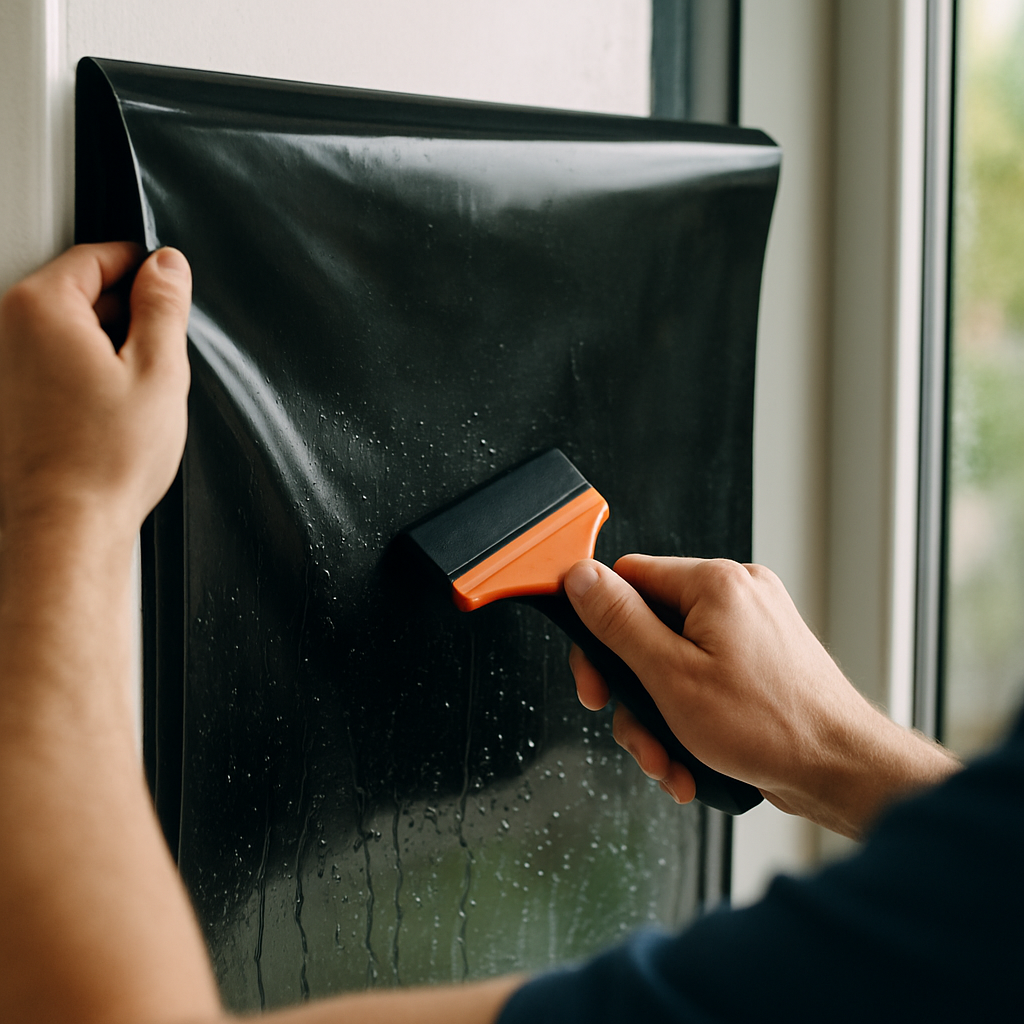
- Apply the Film: Peel the backing off the film and spray the adhesive side with a soap and water solution. Carefully place the film on the window, starting from the top and working your way down.
Application Technique
The application process requires careful handling of the film. Spraying the adhesive side with a soap and water solution facilitates positioning and adjustments. Begin at the top of the window and gradually smooth the film downward, aligning it with the edges.
- Smooth Out Air Bubbles: Use a squeegee to smooth out any air bubbles and ensure the film adheres correctly to the glass.
Bubble Elimination
Using a squeegee, work from the center of the film outward, pressing firmly to remove air bubbles. This step is vital for achieving a smooth, professional finish. Take your time to ensure the film is free of imperfections.
- Trim Excess Film: Once the film is securely in place, trim the excess edges for a neat finish.
Final Trimming
After the film is applied and bubbles are removed, use a sharp utility knife to carefully trim any excess film along the edges. This ensures a clean, precise finish that enhances the overall appearance and effectiveness of the installation.
Choosing the Right Black Window Film
When selecting black window film, consider the following factors:
- Tint Darkness: Decide on the level of darkness you prefer. Darker films provide more privacy but may reduce visibility from inside.
Selecting Tint Darkness
Choosing the right level of tint darkness is a balance between privacy and visibility. Consider the specific needs of each space, whether it’s maximizing privacy in a ground-floor room or maintaining a view while reducing glare in a sunlit office.
- Quality and Brand: Choose a high-quality film from a reputable brand to ensure durability and effectiveness.
Evaluating Quality
Not all window films are created equal. High-quality films offer better UV protection, durability, and clarity. Researching reputable brands and reading reviews can guide you in selecting a film that meets your expectations for performance and longevity.
- Purpose: Determine whether the primary goal is privacy, energy efficiency, or aesthetic enhancement, as this will influence your choice.
Defining Objectives
Understanding your primary objectives—whether privacy, energy efficiency, or aesthetic enhancement—will inform your choice of film. Different films prioritize various features, so aligning your selection with your goals ensures satisfaction with the final result.
Budget Considerations
While cost is always a factor, it’s important to consider the value offered by different films. Investing in a higher-quality film may result in better performance and longer lifespan, ultimately offering greater value over time.
Conclusion
Black window film is a practical and stylish solution for enhancing privacy, reducing energy costs, and protecting interiors from UV damage. Whether for residential, commercial, or automotive use, it offers numerous benefits that make it a worthwhile investment.
By understanding the different types, benefits, and installation processes, you can make an informed decision that meets your specific needs. Whether you’re an interior designer seeking to complement your client’s aesthetic goals or a homeowner looking to improve your living space, black window film is an excellent choice for modern window solutions.
Future Trends
As technology advances, the future of window film looks promising, with innovations like smart films that adjust tint levels automatically. Staying informed about these developments can offer new opportunities for enhanced comfort, efficiency, and style in window treatments.
Environmental Impact
Choosing window film also contributes to environmental sustainability by reducing energy consumption and minimizing the carbon footprint of heating and cooling systems. It’s a step towards eco-friendly living and responsible resource management.
Long-Term Benefits
Investing in black window film is not just about immediate improvements; it’s about long-term benefits. From energy savings to enhanced security and aesthetic appeal, the advantages of black window film extend well into the future, making it a sound choice for anyone seeking to enhance their space.