When it comes to enhancing your home’s comfort, privacy, and energy efficiency, one often overlooked solution is household window tinting. Residential window tinting is not just for cars; it’s a powerful tool for improving your home’s environment in multiple ways. Whether you’re an interior designer seeking stylish solutions for clients or a homeowner looking to make cost-effective upgrades, window tint can be a game-changer.
Window tinting involves applying a thin film to the interior or exterior of your windows. This film can serve various purposes, from blocking harmful UV rays to adding decorative flair. It’s available in different shades and styles, allowing for a customizable approach to meet specific needs.
Types of Window Tints
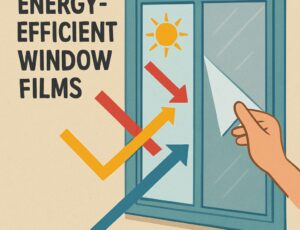
- Solar Control Films: These are designed to reduce heat and glare from the sun, helping to keep your home cooler and more comfortable while cutting energy costs.
- Decorative Window Films: Offering a wide range of designs and colors, decorative films can enhance the aesthetic appeal of any room, providing privacy without sacrificing natural light.
- Security Films: These are thicker films that help strengthen windows, providing an added layer of protection against break-ins and severe weather.
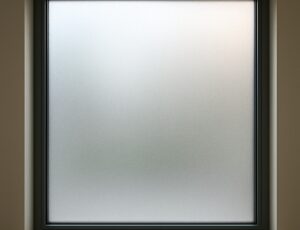
- Privacy Films: Ideal for bathrooms and street-facing windows, these films prevent outsiders from seeing in without blocking out the light.
Benefits of Residential Window Tinting
Window tinting offers numerous benefits that can address common homeowner concerns such as energy efficiency, privacy, and aesthetic appeal.
Energy Efficiency
One of the most significant advantages of window tinting is its ability to improve your home’s energy efficiency. By blocking up to 85% of solar heat, window tint reduces the need for air conditioning, which can lead to substantial savings on energy bills. According to the U.S. Department of Energy, window films can significantly reduce heat gain and improve indoor comfort. In the winter, some window films can help retain interior heat, adding to their efficiency.
Enhanced Privacy and Security
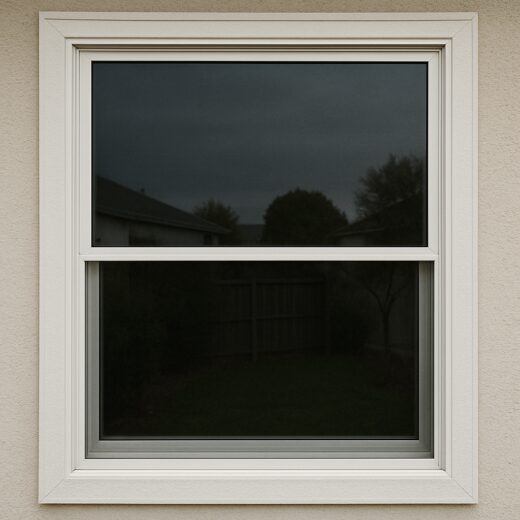
Privacy is a crucial consideration for many homeowners. Privacy films allow you to enjoy natural light without compromising your home’s seclusion. Additionally, security films make windows more resistant to breaking, adding another layer of safety to your home.
UV Protection
Prolonged exposure to UV rays can cause fading in furniture, carpets, and artwork. Window tinting blocks up to 99% of harmful UV rays, protecting your interior from sun damage and extending the life of your furnishings. The Environmental Protection Agency notes that limiting UV exposure is important for protecting materials and reducing health risks.
Aesthetic Appeal
Decorative window films provide a cost-effective way to enhance the look of your home. Available in various patterns and colors, these films can mimic the appearance of frosted or etched glass, adding a touch of elegance without the high price tag.
How to Choose the Right Window Tint for Your Home
Selecting the right window tint depends on your specific needs and aesthetic preferences. Here are some factors to consider when making your choice:
Functionality
Determine the primary purpose of your window tinting. Is it for energy efficiency, privacy, security, or decoration? Understanding your needs will guide you in selecting the appropriate film.
Aesthetics
Consider how the tint will look from both inside and outside your home. Decorative films offer a variety of styles to complement your home’s design.
Installation and Maintenance
Professional installation is recommended for optimal performance and longevity. Once installed, window tints are low maintenance, requiring only occasional cleaning with non-abrasive solutions to keep them looking their best.
Installation Process of Window Tint

by Brandi Alexandra (https://unsplash.com/@brandialxndra)
The installation of window tinting is a precise process that requires attention to detail for the best results. Here’s a general overview of what to expect:
- Preparation: The window surface is thoroughly cleaned to remove any dirt or debris that could interfere with the film’s adhesion.
- Cutting the Film: The film is cut to size, slightly larger than the window to allow for precise trimming.
- Application: The film is carefully applied to the window using a solution to help position it correctly. A squeegee is used to remove any air bubbles and ensure a smooth finish.
- Trimming: Excess film is trimmed away, and edges are smoothed to ensure a perfect fit.
- Curing: The film is left to cure, which can take a few days. During this time, the film should not be disturbed to ensure it adheres properly.
Cost Considerations
The cost of window tinting can vary based on the type of film used and the size of the windows. However, the investment often pays off in energy savings and increased property value. It’s advisable to get quotes from multiple installers to ensure competitive pricing.
Conclusion: A Smart Upgrade for Your Home
Residential window tinting is an effective, versatile solution for enhancing your home’s comfort and style. Whether you’re seeking to cut energy costs, boost privacy, or add decorative flair, window tint offers a practical approach. For interior designers, it provides a stylish, eco-friendly option to recommend to clients, while homeowners can enjoy the immediate and long-term benefits of this innovative upgrade.
By choosing the right tint and having it professionally installed, you can transform your living space into a more efficient, secure, and aesthetically pleasing environment. So, if you’re considering home improvements, don’t overlook the transformative potential of household window tint. It’s a small change that can make a big difference.