# Practical Advice for Thermal Window Film
When it comes to improving the comfort and efficiency of your home, thermal window films are an often-overlooked solution. These films are designed to block heat and glare from the sun, helping to maintain a comfortable indoor temperature and protect your interior furnishings. Whether you’re an interior designer or a homeowner looking to enhance your living space, thermal window films offer a cost-effective and eco-friendly option. According to the U.S. Department of Energy, energy-efficient window treatments can significantly reduce heat gain and improve indoor comfort.
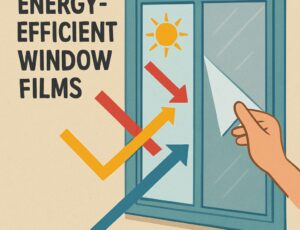
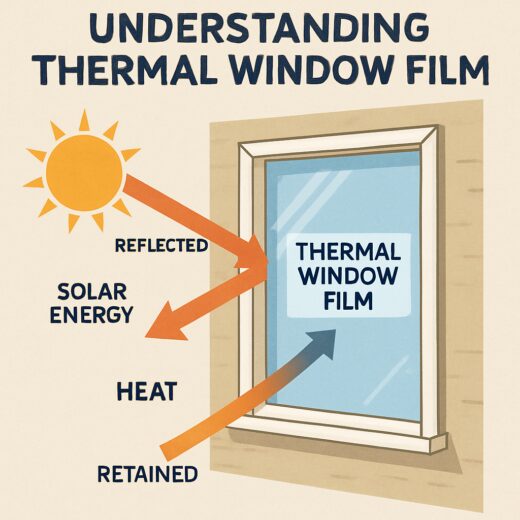
Thermal window films are a type of window tinting designed to improve the energy efficiency of your windows. Made from a thin, durable layer of polyester or similar materials, these films are applied directly to the surface of your windows. They work by reflecting heat away from the glass, reducing the amount of heat that enters or escapes your home. If you’re considering heat-blocking window films, understanding how they function is the first step toward making an informed decision.
Benefits of Thermal Window Film
Thermal window films come with a host of benefits that make them a wise investment for any home:
- Energy Efficiency: By reducing heat gain in the summer and heat loss in the winter, thermal window films help maintain a steady indoor temperature. This can lead to significant savings on your energy bills.
- UV Protection: These films block up to 99% of harmful UV rays, protecting your furniture, floors, and artwork from fading. The Environmental Protection Agency (EPA) notes that limiting UV exposure indoors can help reduce material degradation and health risks.
- Glare Reduction: They minimize glare on screens and surfaces, making it easier to work or relax without straining your eyes.
- Increased Comfort: By keeping your home cooler in the summer and warmer in the winter, thermal window films enhance overall comfort.
Selecting the Right Thermal Window Film
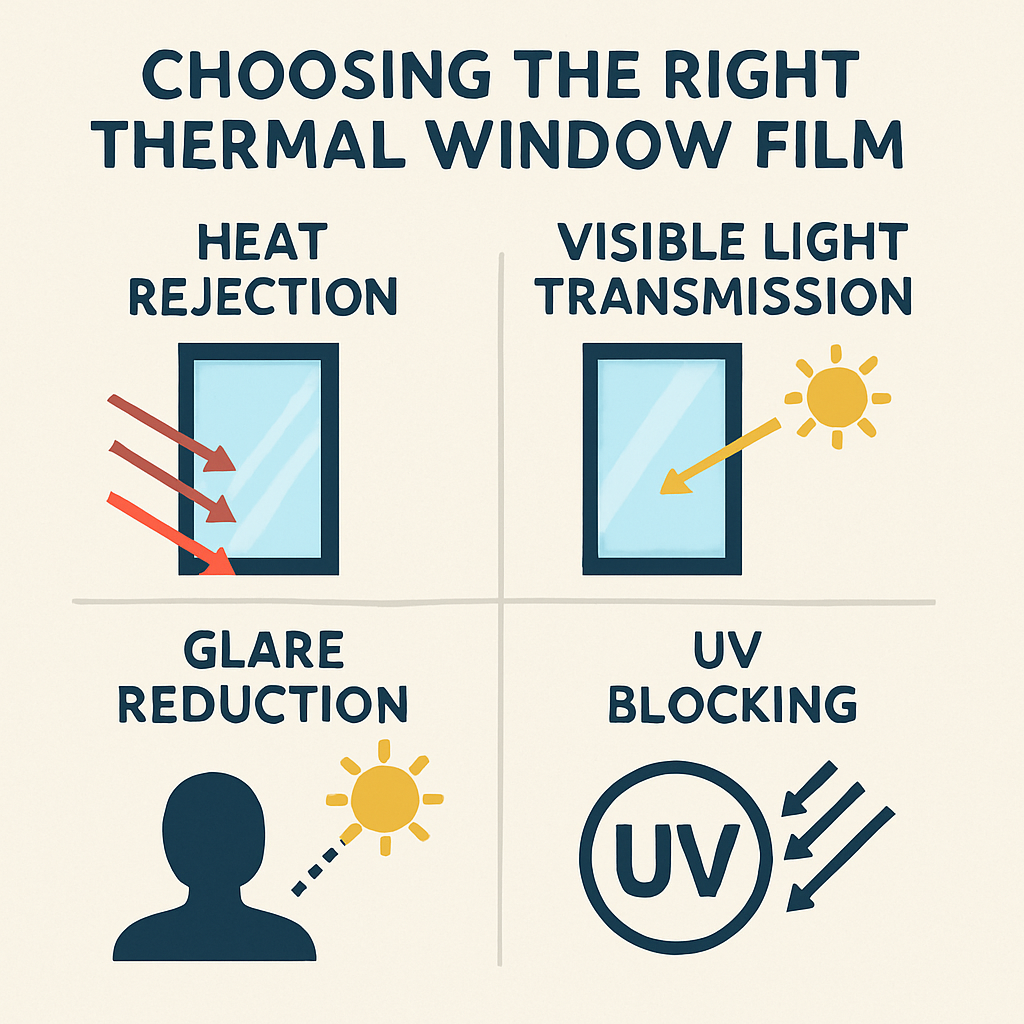
Choosing the right thermal window film for your needs involves considering several factors, including:
The Level of Tint
Thermal window films come in various tint levels, from very light to quite dark. The right choice depends on your privacy needs and the amount of light you want to let in.
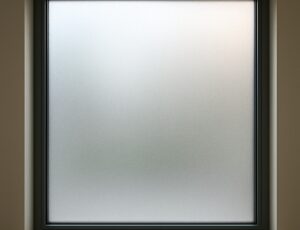
- Privacy Window Film: If privacy is a concern, opt for a darker tint that prevents people from seeing inside your home while still allowing you to enjoy natural light.
- Light Tint: For rooms where you want to maintain a bright, open feel, a lighter tint is more suitable.
Quality and Durability
Not all thermal window films are created equal. Look for high-quality films from reputable manufacturers that offer warranties. These films are more likely to last longer and perform better.
Installation
While some homeowners choose to install window films themselves, professional installation ensures the best results. Professionals have the expertise to ensure a smooth, bubble-free application that maximizes the film’s effectiveness.
Installation Process

by Blake Harbison (https://unsplash.com/@blake_harbison)
Installing thermal window film is a straightforward process, but it requires precision for optimal performance. Here’s a step-by-step overview of what to expect during installation:
- Preparation: The window surface must be thoroughly cleaned to remove any dust, dirt, or grime that could interfere with the film’s adhesion.
- Measurement and Cutting: The film is carefully measured and cut to fit the size of each window pane.
- Application: The film is applied to the window using a special adhesive. It’s important to work slowly and methodically to avoid bubbles and wrinkles.
- Final Touches: Once applied, the film is smoothed out with a squeegee to ensure a firm bond and remove any remaining bubbles.
Maintaining Your Thermal Window Film
Once your thermal window film is installed, maintaining it is crucial to ensure its longevity and effectiveness.
- Cleaning: Use a soft cloth or sponge with a mild, non-abrasive cleaner. Avoid harsh chemicals and abrasive materials that can damage the film.
- Inspections: Regularly inspect the film for any signs of peeling or damage, particularly around the edges. Prompt repairs can prevent further deterioration.
- Professional Check-ups: Consider periodic professional inspections to ensure your window film is in top condition.
Cost Considerations
The cost of thermal window film can vary based on the quality, size of your windows, and whether you choose professional installation. However, it’s important to consider the long-term savings on energy bills and the protection it offers for your home.
DIY vs. Professional Installation
While DIY installation kits are available, they may not offer the same quality and durability as professional installations. Professionals can ensure that the film is applied correctly and will last for years to come.
Conclusion
Thermal window films are a smart, eco-friendly solution for enhancing the comfort and efficiency of your home. They offer numerous benefits, from energy savings to UV protection, making them a valuable addition to any living space. Whether you’re an interior designer seeking to enhance your client’s homes or a homeowner looking to improve your own, thermal window films provide a practical and stylish solution.
By selecting the right film and ensuring proper installation and maintenance, you can enjoy the benefits of thermal window films for years to come.