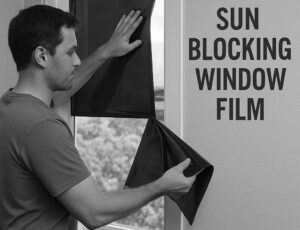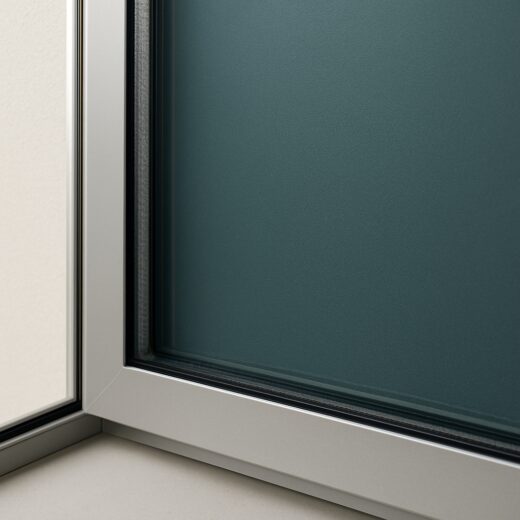
Maintaining the clarity of your window tint not only improves the aesthetics of your home but also enhances the longevity and effectiveness of the window film. As an interior designer, you aim to provide clients with solutions that are both stylish and functional. Window tinting is a great option, offering energy efficiency and a sleek look. However, keeping the film in top condition requires some attention. In this article, we’ll explore effective cleaning tips and maintenance strategies to ensure your window tint remains as clear as the day it was installed.
Before diving into the cleaning tips, it’s essential to understand why window tint protection is crucial. Window tinting provides several benefits, including reduced glare, UV protection, and improved energy efficiency. However, improper maintenance can lead to scratches, peeling, or discoloration, which can compromise these benefits.
Benefits of Window Tinting
- UV Protection: Window films block up to 99% of harmful UV rays, protecting your furniture and floors from fading.
- Energy Efficiency: By reducing heat gain, window tints help lower cooling costs, making homes more energy-efficient.
- Glare Reduction: Window tints minimize glare, creating a more comfortable environment inside the home.
Common Issues Without Proper Maintenance
- Scratches: Using harsh cleaning materials can scratch the film.
- Peeling: Poor application or cleaning can cause the edges to peel.
- Discoloration: Exposure to harsh chemicals can lead to tint discoloration.
Essential Cleaning Supplies for Window Film Maintenance
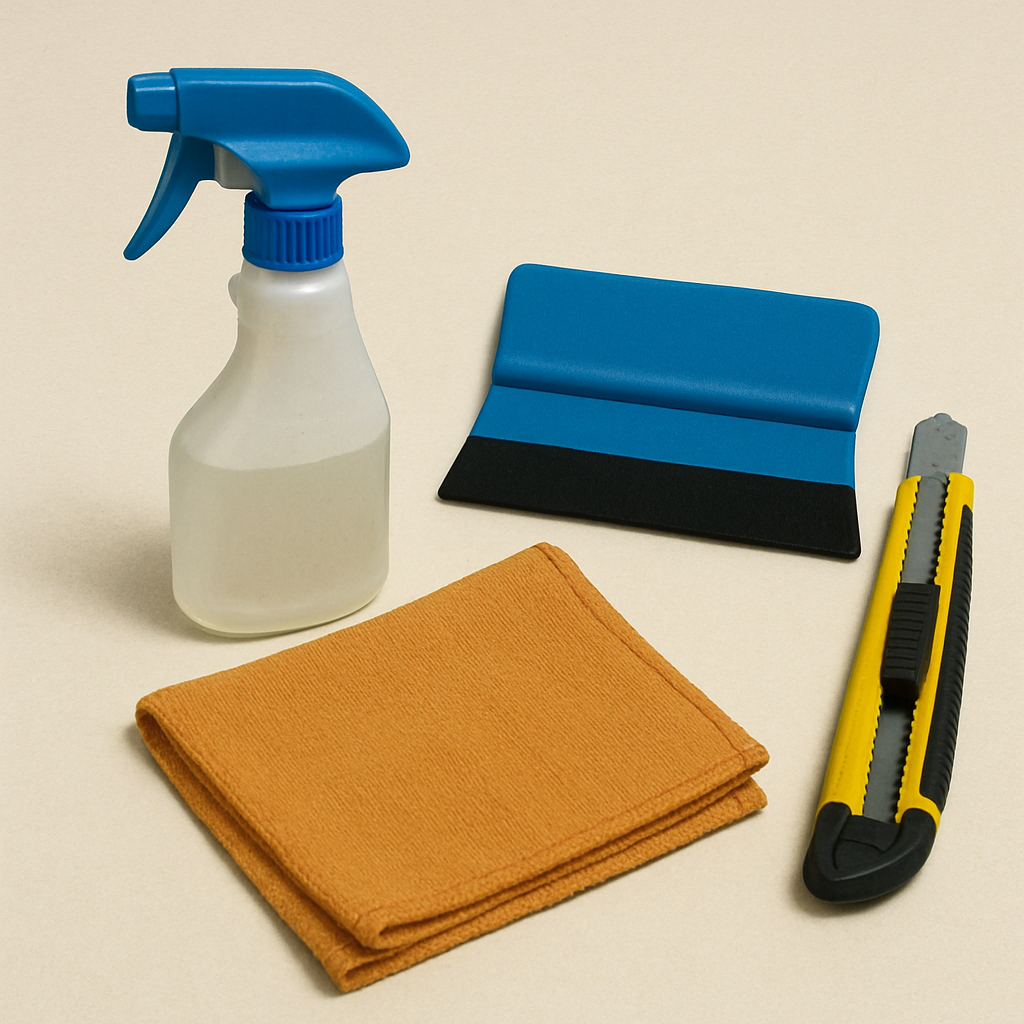
To keep your window tint in optimal condition, you’ll need the right cleaning supplies. Here’s a list of essentials:
- Soft Microfiber Cloths: These are gentle on the film and help avoid scratches.
- Mild Detergent or Tint-Safe Cleaner: Use a non-abrasive cleaner that is free from ammonia.
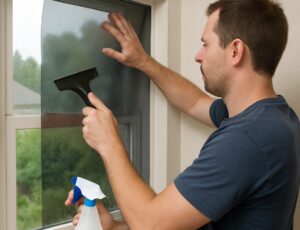
- Spray Bottle: For even application of your cleaning solution.
- Squeegee: Ideal for removing excess cleaning solution without leaving streaks.
Step-by-Step Cleaning Guide
Step 1: Prepare Your Cleaning Solution
Mix a small amount of mild detergent with water in a spray bottle. Alternatively, you can purchase a tint-safe cleaner specifically designed for window films. Avoid cleaners containing ammonia, as they can damage the tint.
Step 2: Dust the Window Surface
Before applying any cleaning solution, use a dry microfiber cloth to gently remove dust and loose dirt from the window surface. This step prevents scratching during the cleaning process.
Step 3: Apply the Cleaning Solution
Lightly spray the cleaning solution onto the window film. Ensure you cover the entire surface but avoid soaking it excessively.
Step 4: Gently Wipe the Window Film
Using a clean microfiber cloth, gently wipe the window film in a circular motion. This helps lift dirt without putting too much pressure on the film. Be sure to tackle any smudges or fingerprints carefully.
Step 5: Use a Squeegee for a Streak-Free Finish
Take a squeegee and start from the top of the window, pulling it downwards in a straight line. Wipe the squeegee blade with a clean cloth after each pass to prevent streaks.
Step 6: Dry the Edges
After cleaning the main surface, use a dry microfiber cloth to wipe down the edges of the window film. This step ensures no water or cleaning solution seeps underneath, which could cause peeling.
Tips for Long-Term Window Tint Maintenance
- Regular Cleaning: Clean your window tints every few weeks to prevent the buildup of dirt and grime.
- Avoid Abrasive Materials: Never use abrasive pads, brushes, or paper towels on window films.
- Mind the Edges: Be cautious around the film’s edges to prevent lifting and peeling.
- Protect from Sharp Objects: Keep sharp objects away from windows to avoid accidental scratches.
Addressing Common Window Tinting Concerns
Even with proper maintenance, you might face some common window tinting issues. Here’s how to address them:
Scratches and Scuffs
Minor scratches can sometimes be buffed out using a soft cloth and a bit of water. For more severe damage, consult a professional for potential repair or replacement.
Peeling Tint
If you notice edges starting to peel, refrain from pulling them further. Instead, apply a small amount of tint adhesive and press the edge back into place. For extensive peeling, professional reapplication might be necessary.
Discoloration
Discoloration is often irreversible and may require replacing the affected film. To prevent discoloration, always use ammonia-free cleaners and shield the windows from prolonged sun exposure when possible.
Conclusion

by Teo Zac (https://unsplash.com/@teo)
Maintaining your window tint clarity doesn’t have to be daunting. With the right cleaning supplies, regular maintenance, and attention to detail, you can ensure your window films continue to offer the same benefits as they did on day one. By following these tips, you’ll not only enhance the aesthetic of your client’s homes but also provide them with long-lasting, energy-efficient solutions. Whether you’re looking to reduce glare or improve energy efficiency, keeping those window films pristine will ensure you get the most out of their innovative benefits.