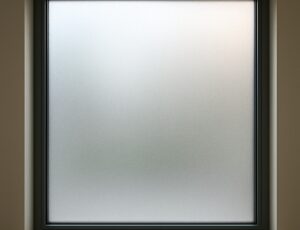
When considering ways to enhance your home’s comfort and efficiency, window tint film emerges as a compelling option. Not only does it offer aesthetic appeal, but it also provides substantial benefits like energy savings, enhanced privacy, and protection from harmful UV rays.
In this guide, we’ll explore practical advice for selecting and installing window tint film for your home, ensuring you make informed decisions that cater to your unique needs.
Window tint film is a thin, multi-layered polyester material that can be applied to the interior or exterior of glass surfaces. It comes in various shades, colors, and performance levels, allowing you to choose the right fit for your home.
Types of Window Tint Film
- Solar Control Film: Designed to reduce glare, block harmful UV rays, and regulate temperature, solar control film enhances comfort and energy efficiency.
- Privacy Film: Offers increased privacy by obscuring the view from outside without sacrificing natural light. Ideal for bathrooms and street-facing windows.
- Security Film: Adds a layer of protection by holding shattered glass together, deterring break-ins, and reducing injury risks from accidents.
- Decorative Film: Available in various patterns and textures, decorative film adds style and personality to your windows.
Benefits of Home Window Tint
Energy Efficiency
Window tint film can significantly reduce your energy bills by minimizing heat gain in the summer and heat loss in the winter. This energy efficiency translates to a more comfortable living environment and reduced reliance on heating and cooling systems. For a helpful, independent overview of film performance and ratings, see the National Fenestration Rating Council (NFRC) consumer window film fact sheet.
UV Protection
Harmful ultraviolet rays can cause fading and damage to your furniture, flooring, and artwork. Window tint film blocks up to 99% of UV rays, preserving your interior decor and extending its lifespan. If you want a trusted reference on UV window film, the Skin Cancer Foundation’s UV window film guidance is a great resource.
Enhanced Privacy
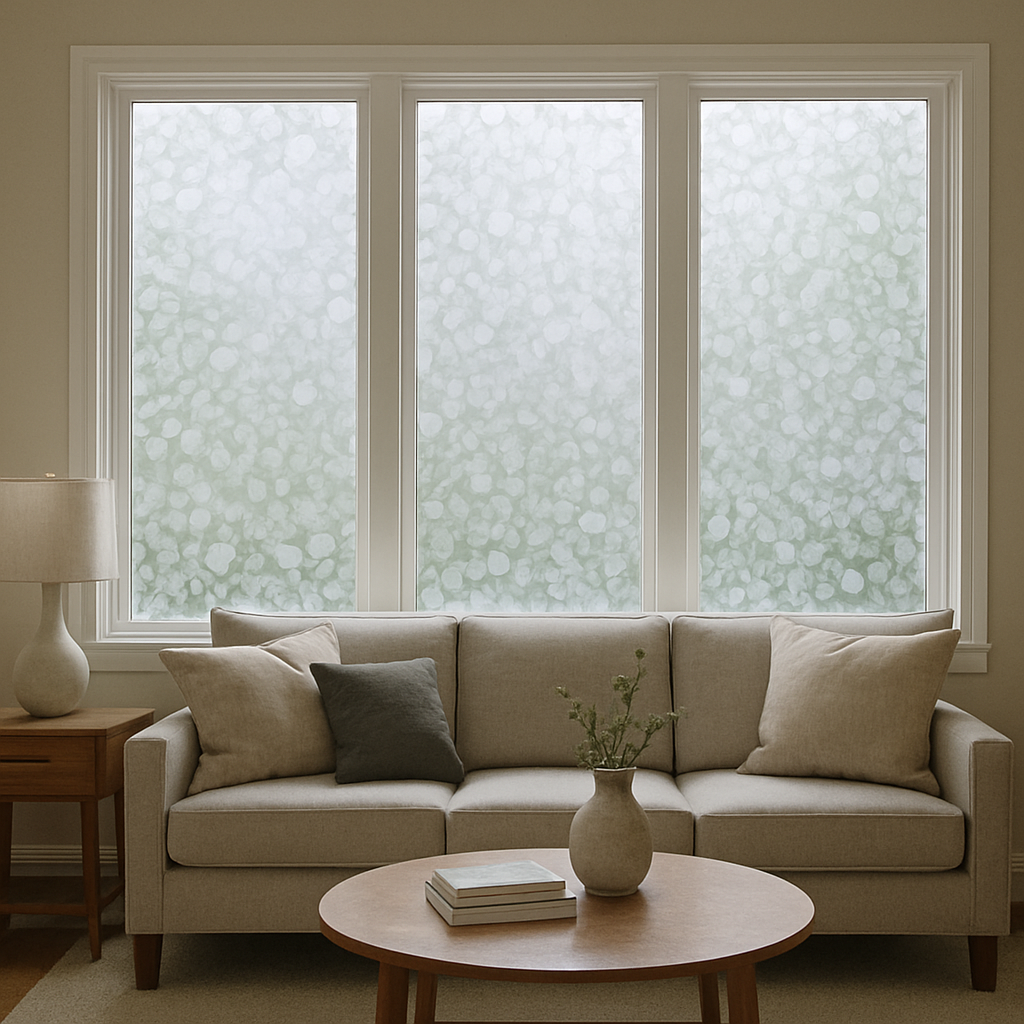
Privacy window film offers an effective solution for spaces where you want to maintain natural light while preventing outsiders from peeking in. It’s perfect for street-facing windows and bathrooms, providing peace of mind without sacrificing aesthetics.
Glare Reduction
Glare from the sun can be disruptive, particularly in rooms with electronic screens. Window tint film reduces glare, allowing you to enjoy your devices without straining your eyes.
Increased Safety and Security
Security film adds an extra layer of protection by making windows more resilient to impacts. In case of breakage, the film holds the glass fragments together, reducing the risk of injury and deterring intruders.
Choosing the Right Window Tint Film
Assess Your Needs
Consider the primary purpose of installing window tint film. Are you looking to increase privacy, enhance energy efficiency, or add a decorative touch? Understanding your specific needs will help you select the right type of film.
Consider Aesthetic Preferences
Window tint film comes in various shades and styles. Choose a film that complements your home’s decor while meeting your functional requirements. Decorative films offer a range of patterns and textures to suit any design preference.
Budget Considerations
Costs for window tint film can vary based on the type and quality of the film. While solar and privacy films are generally more affordable, security films might cost more due to their enhanced protective features. Determine your budget and weigh it against the benefits offered by each type of film.
Installation Tips

by ihor (https://unsplash.com/@ishlpnk)
Professional vs. DIY Installation
While DIY installation is possible, hiring a professional ensures precision and a flawless finish. Professionals have the expertise to handle complex installations, especially for large or hard-to-reach windows.
Surface Preparation
Before installation, ensure the glass surface is clean and free of dust, dirt, and grease. Proper cleaning helps the film adhere better and prevents bubbles or imperfections.
Follow Manufacturer Instructions
If you opt for DIY installation, carefully follow the manufacturer’s instructions. Use the recommended tools and techniques to achieve the best results and avoid damaging the film. For a step-by-step walkthrough, see How to Properly Install Window Film: Cleaning, Application and Tips.
Maintaining Your Window Tint Film
Cleaning Guidelines
Use a soft cloth or sponge and a mild, non-abrasive cleaning solution to clean your window tint film. Avoid harsh chemicals and abrasive materials that can scratch or damage the film.
Regular Inspections
Periodically inspect your window film for signs of wear or damage. Address any issues promptly to maintain its effectiveness and appearance.
Longevity Considerations
High-quality window tint films can last for many years with proper care. However, factors like sun exposure and environmental conditions can affect their lifespan. Be prepared to replace the film if it shows signs of deterioration.
Real-World Applications
Interior Designer Insights
For interior designers, window tint film presents an opportunity to enhance both the functionality and aesthetics of a space. By selecting the right film, designers can offer clients solutions that align with their design vision while providing practical benefits like energy savings and privacy.
Case Study: Transforming a Living Space
Consider a homeowner who wanted to reduce glare in their living room without compromising on natural light. By installing solar control film, they achieved a comfortable, glare-free environment that also reduced their energy bills. The added UV protection preserved their furniture and flooring, ensuring the space remained beautiful and inviting.
Conclusion
Investing in window tint film for your home is a practical decision that offers a range of benefits, from improved energy efficiency to enhanced privacy and security. By understanding the different types of film, assessing your needs, and following installation and maintenance best practices, you can transform your living space into a more comfortable and stylish environment.
Whether you’re an interior designer or a homeowner, embracing window tint film as part of your home improvement strategy can deliver long-lasting value and satisfaction.“`