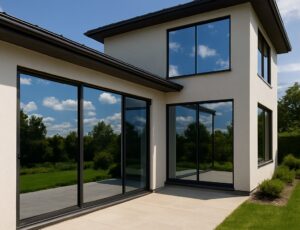
When it comes to protecting your home from the sun’s harmful rays, UV window films are an innovative solution worth considering. These films promise to block a significant portion of UV radiation, reduce glare, and even enhance energy efficiency. But how effective are they really? In this article, we will delve into the science behind UV window films, their benefits, and how they can be a valuable addition to your home improvement arsenal.
Before we explore the effectiveness of UV window films, it’s essential to understand what UV radiation is and why it can be harmful. Ultraviolet (UV) radiation is a type of energy produced by the sun. It’s invisible to the naked eye but can cause significant damage over time.
There are three types of UV rays:
- UVA Rays: These penetrate deep into the skin and are primarily responsible for premature aging.
- UVB Rays: These rays affect the outer layer of the skin and are the main cause of sunburn.
- UVC Rays: These are the most dangerous, but fortunately, they are blocked by the Earth’s atmosphere and do not reach the surface.
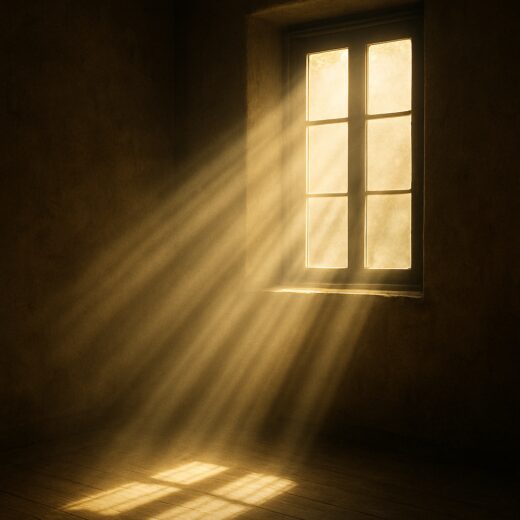
While UVC rays are not a concern, UVA and UVB rays can penetrate glass, leading to faded furniture, flooring, and increased skin cancer risk. This is where UV window films come into play.
What Are UV Window Films?
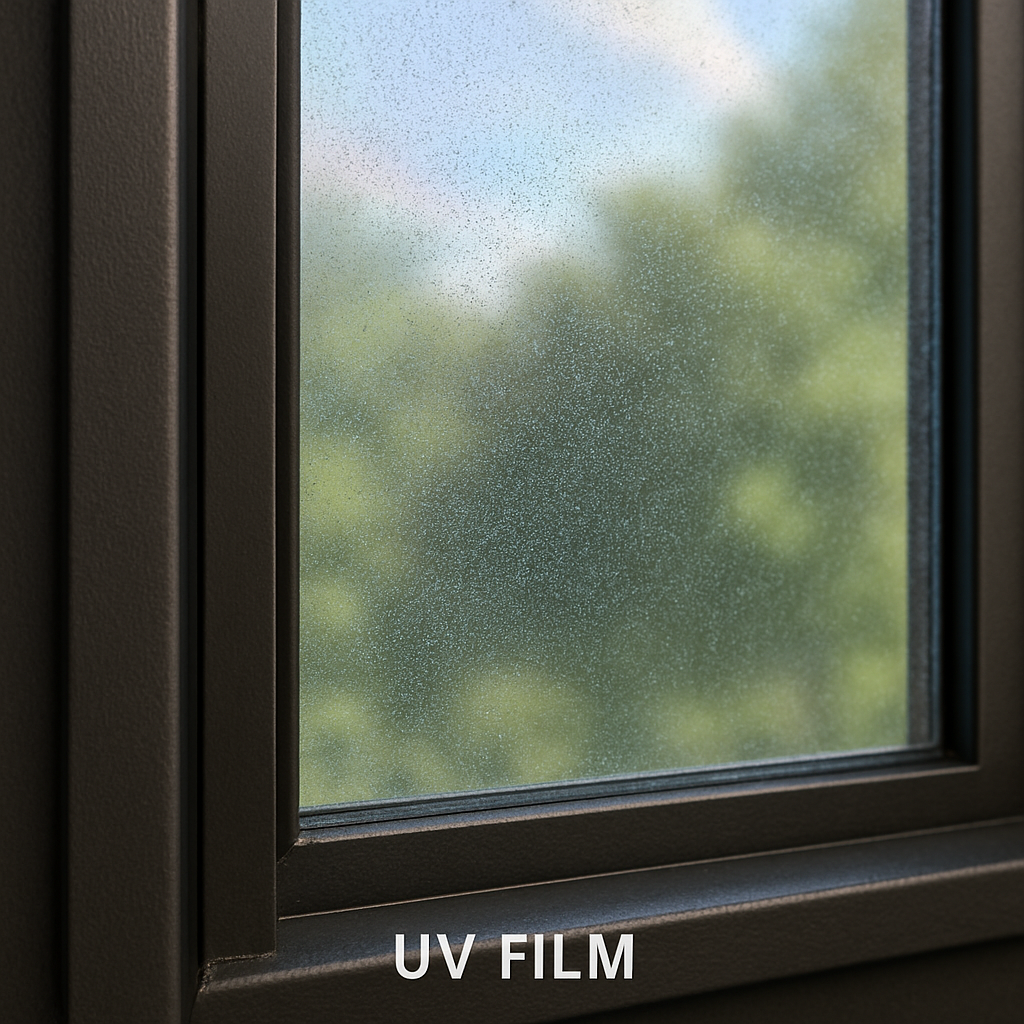
UV window films are thin layers of polyester laminate applied to windows. They are designed to block harmful UV rays while allowing natural light to enter your home. These films come in various styles, from clear to tinted, and can be customized to meet your aesthetic and functional needs.
How Do They Work?
UV window films work by absorbing or reflecting a significant portion of UV radiation. They contain UV-absorbing additives that block up to 99% of UV rays. This means they can drastically reduce the amount of UV radiation that passes through your windows, protecting your home and its occupants.
Benefits of UV Window Films
Protection Against Fading
One of the most significant benefits of UV window films is their ability to prevent fading. Sunlight can cause colors to fade and materials to deteriorate over time. By blocking UV rays, these films help preserve the appearance and lifespan of your furniture, flooring, and artwork.
Skin Protection
In addition to protecting your belongings, UV window films also help safeguard your health. By reducing UV exposure, they lower the risk of skin damage and skin cancer for you and your family.
Energy Efficiency
UV window films can also contribute to energy savings. By reducing heat gain in the summer and retaining heat in the winter, they help maintain a comfortable indoor temperature. This means your HVAC system doesn’t have to work as hard, leading to lower energy bills.
Glare Reduction
Excessive glare can be a nuisance, especially when watching TV or working on a computer. UV window films reduce glare without compromising natural light, enhancing your comfort and productivity.
Types of UV Window Films
There are several types of UV window films, each with unique features and benefits. Here are the most common:
Solar Window Films
Solar window films are designed to improve energy efficiency by reflecting heat and reducing glare. They are an excellent choice for homeowners looking to enhance comfort and lower energy costs.
Anti-Fading UV Window Films
As the name suggests, these films focus on preventing fading and discoloration of interior furnishings. They are ideal for rooms with valuable or delicate items that need extra protection from the sun.
Decorative UV Window Films
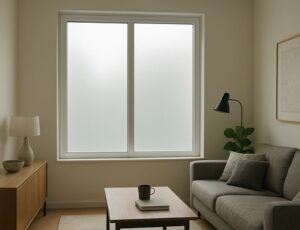
Decorative films offer both functionality and style. They come in various patterns and designs, adding privacy and aesthetic appeal to your space while providing UV protection.
Installation and Maintenance

by Dzmitry Biahanski (https://unsplash.com/@biahanski)
Installing UV window films is a straightforward process that can be done by professionals or as a DIY project. However, professional installation ensures a perfect fit and a bubble-free finish. Here’s what to expect:
Professional Installation
When you opt for professional installation, an expert will measure your windows, cut the film to size, and apply it using specialized tools. This ensures a seamless application and optimal performance.
DIY Installation
If you choose the DIY route, make sure to clean your windows thoroughly before applying the film. Follow the manufacturer’s instructions carefully to avoid bubbles and creases.
Maintenance Tips
Once installed, UV window films require minimal maintenance. Clean them with a mild soap solution and a soft cloth to avoid scratching the surface. Avoid abrasive cleaners or sharp tools.
Are UV Window Films Worth It?
For homeowners and interior designers seeking cost-effective, stylish solutions to enhance aesthetics and energy efficiency, UV window films are undoubtedly worth considering. They offer a range of benefits, from protecting your interiors against fading to improving energy efficiency and reducing glare.
Real-World Impact
Interior designers can leverage UV window films to deliver value to clients by enhancing the functionality and appeal of their spaces. By incorporating these films into design plans, they can meet the dual goals of style and sustainability.
Conclusion
UV window films are a simple yet powerful way to protect your home from the sun’s harmful rays. They offer numerous benefits, including fading prevention, energy savings, and improved comfort. Whether you’re a homeowner looking to enhance your living space or an interior designer seeking innovative solutions, UV window films are a valuable addition to any home improvement project.
Explore the world of UV window films and discover how they can transform your space into a more comfortable, efficient, and aesthetically pleasing environment.