Window tint film is a thin laminate film that can be installed on the interior or exterior surfaces of glass windows in homes, cars, and buildings. It’s primarily used to reduce heat and glare, increase privacy, and enhance the aesthetic appeal of windows. While it might seem like a modern innovation, window tinting has been around for decades, continuously evolving to meet both functional and design-oriented needs. Its ability to adapt to different environments and requirements makes it an invaluable resource for both residential and commercial spaces.
Moreover, window tint film is not just a one-size-fits-all solution; it comes in various forms and styles, allowing for customization according to specific needs and preferences. This flexibility means that whether you’re looking to bolster security, increase energy efficiency, or simply add a decorative touch to your windows, there’s likely a tint film that will meet your needs. Understanding the different types and their applications can help ensure you select the right product for your home or project.
Types of Window Tint Film
There are several types of window tint films available, each designed to serve specific purposes. Here are some common types:
- Solar Control Film: This type of film is designed to block out harmful UV rays, reduce glare, and regulate heat. It’s ideal for improving energy efficiency and protecting interiors from sun damage. Solar control films are particularly beneficial in sunny climates, where excess heat can drive up cooling costs and fade interior furnishings. By installing these films, homeowners can maintain a consistent indoor temperature, leading to increased comfort and reduced reliance on air conditioning.
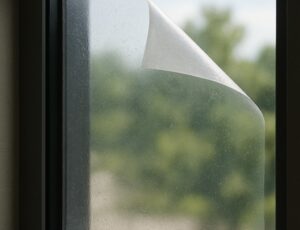
- Privacy Film: Privacy films are often opaque or frosted, providing privacy without sacrificing natural light. They’re great for areas like bathrooms or street-facing windows. These films allow you to enjoy the natural light that floods your home while ensuring that prying eyes cannot see inside. Privacy films are also available in various designs, allowing them to serve a decorative as well as functional purpose, adding a touch of elegance or modernity to your windows.
- Decorative Film: Available in various patterns and colors, decorative films add a touch of style to any room. They can mimic the appearance of etched glass or stained glass at a fraction of the cost. Decorative films are perfect for creative projects and can be tailored to suit any interior design scheme, enhancing the aesthetic appeal of your home. Whether you’re looking to create a statement piece or subtly enhance your décor, decorative films offer an affordable and versatile solution.
- Security Film: These films are thicker and designed to hold glass together in the event of breakage, enhancing safety and security. Security films are particularly useful in areas prone to natural disasters or high crime rates, as they can deter break-ins and protect inhabitants from flying glass shards. In addition to providing a safety net against accidents and break-ins, these films can also help reduce noise pollution, creating a more peaceful indoor environment.
Benefits of Window Tint Film

Window tinting offers a multitude of benefits that go beyond simple aesthetics. Here are some of the key advantages:
Energy Efficiency
One of the significant benefits of window tint film is its ability to improve energy efficiency. By blocking up to 85% of solar heat, tinted windows can reduce the strain on air conditioning systems, leading to lower energy bills. This is particularly beneficial during hot summer months when cooling costs can skyrocket. Additionally, in colder climates, certain types of window tint can help retain heat, reducing the need for excessive heating during winter months and contributing to further energy savings. For practical guidance on reducing solar heat gain with window solutions (including window films), see the U.S. Department of Energy’s window efficiency tips.
The energy-efficient nature of window tint films also translates into a smaller carbon footprint, making them an environmentally friendly choice for the eco-conscious homeowner. By reducing reliance on heating and cooling systems, homes can significantly lower their energy consumption, contributing to a more sustainable lifestyle. Over time, the energy savings from reduced utility bills can offset the initial cost of window tint installation, making it a wise investment.
UV Protection
Window tint film can block up to 99% of harmful UV rays, protecting your skin and reducing the risk of fading on furniture, flooring, and artwork. This protection is crucial in preserving the longevity and appearance of your interior spaces. Prolonged exposure to UV rays can cause significant damage to your belongings, leading to costly replacements or restorations. By installing window tint film, you can safeguard your investments and enjoy your interiors for longer. For more on how UV window film can block over 99% of UVA/UVB, see the Skin Cancer Foundation’s overview.
In addition to protecting your belongings, reducing UV exposure can also have health benefits. Excessive exposure to UV rays is known to increase the risk of skin cancer and other health issues. By limiting the amount of UV radiation that enters your home, you can create a safer living environment for you and your family, promoting overall well-being.
Enhanced Privacy and Security
Tinted windows provide an added layer of privacy, preventing passersby from peering into your home. Security films, in particular, hold glass shards together if the window is broken, deterring break-ins and reducing the risk of injury from shattered glass. This added security can provide peace of mind, knowing that your home is better protected against potential threats.
Furthermore, privacy films can be strategically used to enhance the seclusion of specific areas in your home without sacrificing aesthetics. Whether it’s a bathroom, bedroom, or office space, privacy films allow you to enjoy solitude and security while still allowing natural light to filter through, maintaining a bright and inviting atmosphere.
Glare Reduction
Glare from the sun can be a nuisance, especially when you’re trying to work, watch TV, or use a computer. Window tint film can significantly reduce glare, improving comfort and visibility in your living spaces. By minimizing glare, window tinting can help create a more comfortable and productive environment, whether you’re working from home, enjoying your favorite shows, or simply relaxing.
Reduced glare also means less strain on your eyes, contributing to better eye health over time. This is particularly important in today’s digital age, where screen time is at an all-time high. By reducing the need to squint or adjust curtains constantly, you can enjoy a more seamless living experience.
Practical Tips for Installing Window Tint Film
Installing window tint film can be a straightforward process if you follow these practical tips:
Measure Accurately
Before purchasing window tint film, ensure you have accurate measurements of the windows you intend to cover. This will help you buy the correct amount of film and avoid wastage. Accurate measurements are crucial for achieving a seamless finish and ensuring full coverage of the window surface. Take multiple measurements to ensure precision, and consider any unique window shapes or features that may require custom cuts.
Having precise measurements also allows you to plan the installation process more effectively, reducing the likelihood of errors and the need for adjustments. By preparing thoroughly, you can streamline the installation and achieve professional-looking results.
Clean Thoroughly
Ensure that windows are thoroughly cleaned before applying the film. Any dirt, dust, or debris on the glass will affect the adhesion and appearance of the film. Use a gentle cleaning solution and a lint-free cloth to remove any impurities, ensuring a smooth and bubble-free application. Pay special attention to the corners and edges of the windows, where dirt can accumulate and affect the film’s adhesion.
A clean surface is essential for the longevity and effectiveness of the window tint film. By taking the time to prepare your windows properly, you can avoid common installation issues such as peeling or bubbling, ensuring a flawless finish that will last for years.
Use the Right Tools
Having the right tools on hand can make the installation process smoother. Essential tools include a utility knife, a squeegee or credit card to smooth out bubbles, and a spray bottle filled with soapy water for easy application. These tools help ensure a precise cut and smooth application, minimizing the risk of errors and achieving a professional finish.
Investing in quality tools can also make the process more efficient and enjoyable. With the right equipment, you can tackle even large or complex windows with confidence, ensuring that your window tint film is applied correctly and effectively.
Follow Manufacturer Instructions
Different films may have specific installation requirements. Always follow the manufacturer’s instructions for the best results and to ensure the film’s warranty remains valid. These instructions are designed to help you achieve the best possible outcome, taking into account the unique properties of the film and its intended use.
By adhering to the manufacturer’s guidelines, you can avoid common pitfalls and ensure the film performs as expected, providing optimal benefits for your home. Additionally, following the instructions carefully can help protect your investment by ensuring that any warranties remain intact.
Consider Professional Installation
If you’re not confident in your DIY skills or have large windows to cover, consider hiring a professional. A skilled installer can ensure a flawless finish and may offer a warranty on the installation. Professional installation can be particularly beneficial for complex projects or high-value homes, where precision and expertise are paramount.
Hiring a professional can save you time and effort, allowing you to enjoy the benefits of window tinting without the stress of a DIY project. By choosing a reputable installer, you can have peace of mind knowing that your windows are in capable hands and that the job will be completed to the highest standards.
Choosing the Right Window Tint Film for Your Needs

by Thanos Pal (https://unsplash.com/@thanospal)
When selecting window tint film, consider the following factors:
Purpose
Determine what you want to achieve with the film. Are you looking for privacy, energy savings, or decorative appeal? Identifying your primary goal will help narrow down your options. Understanding your specific needs can guide you toward the most suitable film, ensuring that you achieve the desired outcome for your space.
Once you’ve identified your primary objective, consider any secondary goals that may influence your choice. For example, you may want a film that provides both privacy and UV protection, or one that enhances aesthetics while improving energy efficiency. By considering all your needs, you can select a film that offers the best balance of benefits for your home.
Light and Heat Reduction
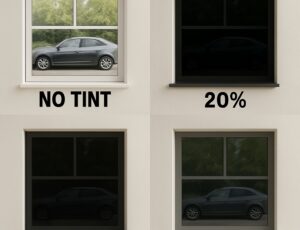
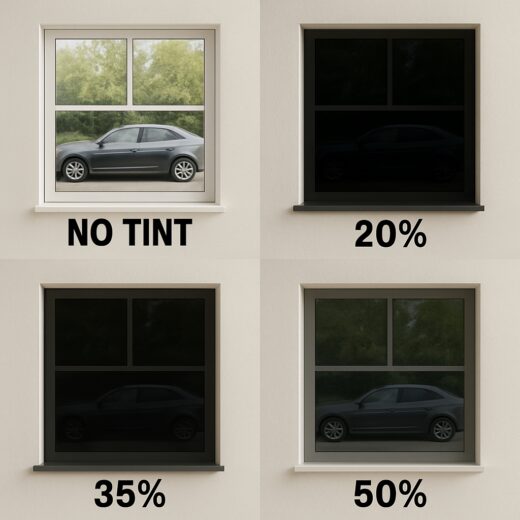
Consider the amount of light and heat reduction you need. Films come in various levels of tint and reflective qualities, so choose one that aligns with your climate and personal preferences. In warmer climates, a film with higher heat rejection may be necessary to keep your home comfortable, while in cooler areas, a lighter tint may suffice.
Think about the orientation of your windows and the amount of direct sunlight they receive throughout the day. South-facing windows, for example, may require a different tint than north-facing ones. By tailoring your choice to the specific conditions of your home, you can maximize the benefits of window tinting.
Aesthetic Appeal
For interior designers, the film’s appearance is paramount. Look for options that complement your design style and enhance the overall look of the space. With a wide range of patterns, colors, and finishes available, window tint films can be a powerful design tool, transforming ordinary windows into stunning focal points.
Consider how the film will interact with other elements in the room, such as furniture, wall colors, and natural light. By choosing a film that harmonizes with your existing décor, you can create a cohesive and visually appealing environment that reflects your personal style.
Quality and Warranty
Invest in high-quality window films that come with a warranty. Quality films are more durable, provide better performance, and maintain their appearance over time. A warranty can offer peace of mind, protecting your investment and ensuring that the film will perform as expected.
When evaluating different products, consider the reputation of the manufacturer and the terms of the warranty. High-quality films may come with a higher initial cost but can offer superior benefits and longevity, making them a worthwhile investment in the long run.
Maintenance and Care for Window Tint Film
Proper maintenance can extend the life of your window tint film and keep it looking its best:
- Cleaning: Use a soft cloth or sponge and a mild soap solution to clean tinted windows. Avoid abrasive materials and harsh chemicals that can damage the film. Regular cleaning will help maintain the clarity and appearance of the film, ensuring that it continues to provide the desired benefits.
- Avoid Scratching: Be mindful of sharp objects that could scratch or puncture the film. Use caution when moving furniture or cleaning nearby surfaces. Protecting the film from physical damage will help preserve its integrity and performance.
- Inspect Regularly: Periodically check the edges and surface of the film for signs of peeling or bubbling. Address any issues promptly to prevent further damage. Regular inspections can help identify potential problems early, allowing for timely repairs and minimizing the risk of more extensive damage.
Conclusion
Window tint film is a practical and stylish solution for enhancing the comfort and efficiency of your living spaces. Whether you’re an interior designer or a homeowner, understanding the types, benefits, and installation tips can help you make the most of this versatile product. By choosing the right film and maintaining it properly, you can enjoy the many advantages of tinted windows for years to come.
Incorporating window tint film into your home can be a transformative decision, offering both immediate and long-term benefits. From energy savings and UV protection to enhanced privacy and aesthetic appeal, window tinting is a valuable addition to any space. By taking the time to understand your options and follow best practices, you can ensure a successful installation and enjoy the full range of benefits that window tint film has to offer.