When it comes to enhancing the privacy, aesthetics, and energy efficiency of a home, mirror tint for house windows emerges as a versatile solution. This innovative window film not only adds a sophisticated touch to your home’s appearance but also serves practical purposes. In this article, we will explore the benefits, installation process, and considerations of using mirror tint for house windows, helping you make an informed decision for your home improvement projects.
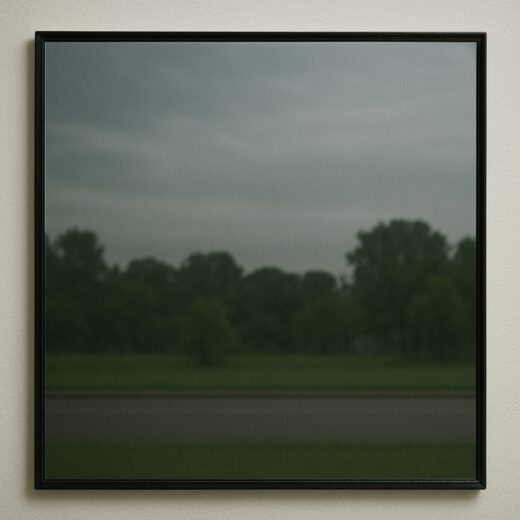
Mirror tint, also known as mirror window film, is a type of window film that provides a reflective surface on one side. This film is applied to the interior or exterior of glass windows. The reflective surface creates a mirror-like effect, allowing you to see out while limiting the ability of others to see inside. This feature is particularly beneficial for enhancing privacy during the day.
How Does It Work?
The reflective properties of mirror tint work by reflecting light back outward. During the day, when exterior light is stronger than interior light, the tint reflects the outside light, acting as a one-way mirror. This allows you to enjoy the view outside without compromising your privacy.
Benefits of Mirror Tint
Mirror tint offers a range of benefits that make it a popular choice among homeowners and interior designers. Here’s why you might consider it for your home:
Enhanced Privacy
One of the primary reasons homeowners choose mirror tint is for privacy. It prevents outsiders from peering into your home during the daytime, offering you peace of mind and a sense of security.
Energy Efficiency
Mirror tint can significantly reduce heat gain inside your home by reflecting solar energy. This helps maintain a comfortable indoor temperature and reduces the need for air conditioning, leading to lower energy bills. According to the U.S. Department of Energy, window films and treatments can improve insulation and reduce heat transfer, contributing to energy savings.
UV Protection
The film blocks up to 99% of harmful UV rays, protecting your furniture, flooring, and décor from fading and damage over time. This prolongs the lifespan of your interior furnishings and keeps them looking vibrant. The Environmental Protection Agency (EPA) highlights that limiting UV exposure indoors is important for protecting materials and reducing potential health risks.
Glare Reduction
By reducing glare from sunlight, mirror tint creates a more comfortable viewing experience for screens and monitors, ensuring that you can work, watch TV, or use your computer without straining your eyes.
Aesthetic Appeal
With its sleek and modern appearance, mirror tint adds a touch of elegance to your home. It complements various architectural styles and enhances the overall aesthetic of your living space.
Installation Process
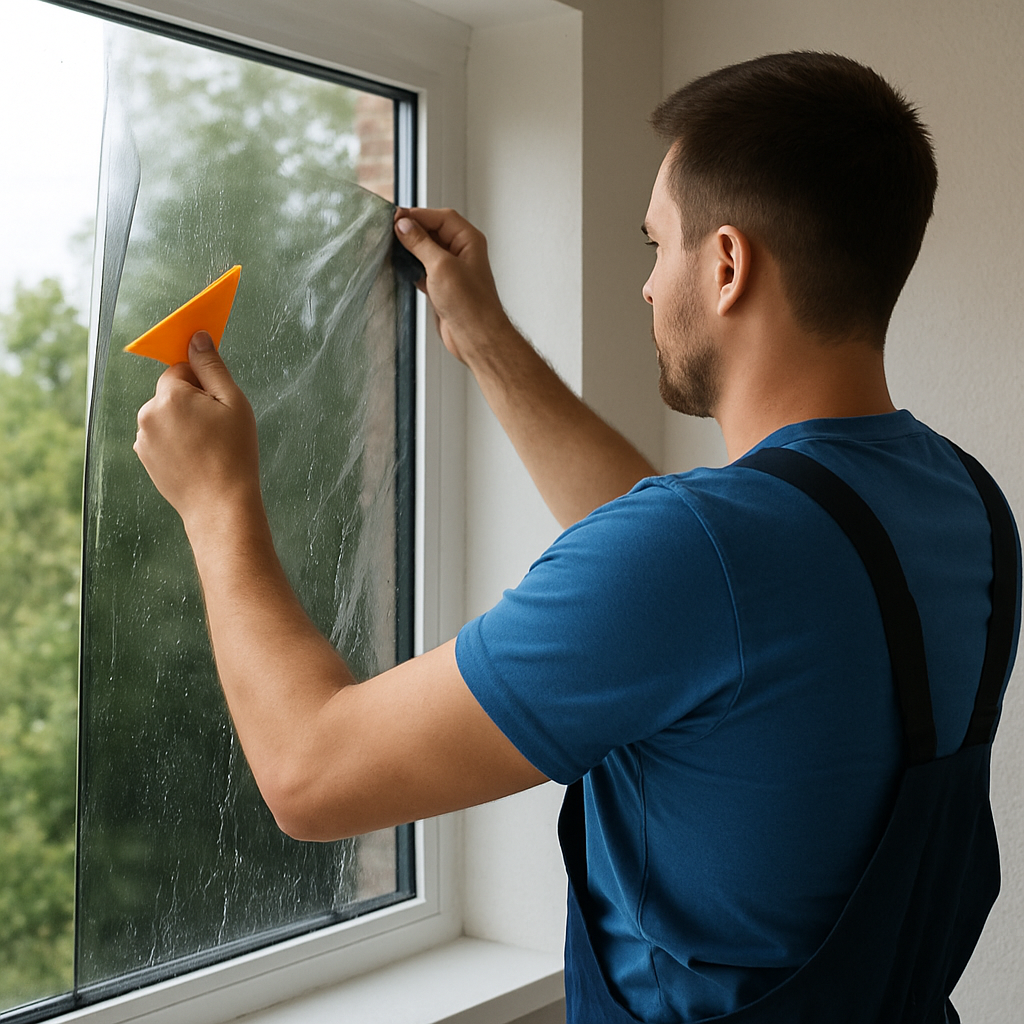
Installing mirror tint for house windows is a straightforward process, but it requires precision and care to achieve the best results. Here’s a step-by-step guide:
Preparation
- Clean the Windows: Thoroughly clean the windows to remove dust, dirt, and debris. A clean surface is crucial for the film to adhere properly.
- Measure and Cut the Film: Measure the dimensions of your windows and cut the film accordingly, leaving a slight excess to trim after application.
Application
- Apply Soapy Water: Use a spray bottle to apply a mixture of water and a few drops of dish soap to the window. This helps the film slide into place.
- Position the Film: Carefully position the film on the window, starting from the top and working your way down. Smooth out any air bubbles using a squeegee or a flat tool.
- Trim the Excess: Once the film is in place, use a sharp utility knife to trim the excess film along the window edges.
Final Touches
- Remove Air Bubbles: Gently press out any remaining air bubbles with the squeegee, working from the center toward the edges.
- Dry and Settle: Allow the film to dry and settle for at least 24 hours. Avoid cleaning the windows during this time to ensure proper adhesion.
Considerations Before Installing Mirror Tint
Before you decide to install mirror tint, there are a few considerations to keep in mind:
Day and Night Privacy
While mirror tint provides excellent privacy during the day, it may not offer the same level of privacy at night when indoor lights are on. Consider using additional window treatments, such as curtains or blinds, for nighttime privacy.
Compatibility with Window Types
Ensure that the film is compatible with your window type. Some films may not be suitable for certain window materials, such as double-pane glass, as they can cause thermal stress and damage.
Professional Installation

by eddy mulia (https://unsplash.com/@eddymulia)
While DIY installation is possible, hiring a professional installer can ensure a flawless finish and minimize the risk of errors. Professionals have the expertise and tools needed to handle complex installations efficiently.
Warranty and Maintenance
Check if the film comes with a warranty and understand the maintenance requirements. Proper care and maintenance can prolong the lifespan of the film and maintain its appearance and performance.
Conclusion
Mirror tint for house windows is a valuable investment for homeowners looking to enhance privacy, energy efficiency, and aesthetics. With its numerous benefits, including UV protection, glare reduction, and stylish appearance, it’s an ideal solution for modern living spaces. Whether you choose to install it yourself or hire a professional, mirror tint can transform your home into a comfortable and stylish sanctuary.
As you consider your options, remember to evaluate your specific needs and preferences to find the perfect mirror window film that aligns with your home improvement goals. Embrace the potential of mirror tint and enjoy the advantages it brings to your living environment.