When it comes to improving the energy efficiency of your home, one of the simplest and most effective solutions is window insulation film. As a homeowner or interior designer looking for cost-effective ways to enhance aesthetics while also managing energy costs, window film might just be the solution you need. This article will explore what window insulation film is, its benefits, and whether it’s a smart investment for your home or your clients’ homes.

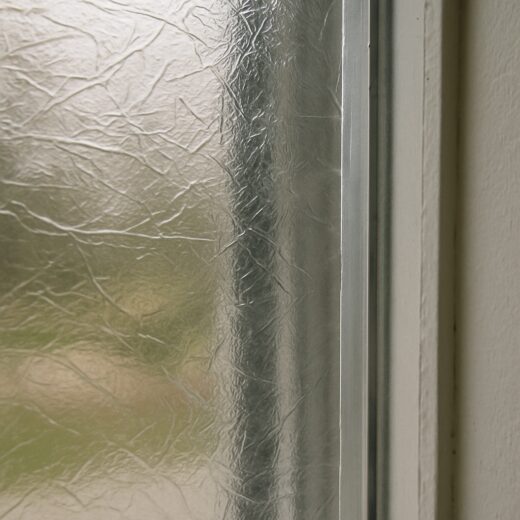
Window insulation film is a thin layer of plastic that you can apply to your windows. It’s designed to reduce heat transfer, which can help keep your home warmer in the winter and cooler in the summer. The film acts as a barrier, enhancing the thermal efficiency of your windows. This simple yet effective solution can save you money on energy bills while also improving the comfort of your living space.
The technology behind window insulation film is quite innovative. By using advanced materials such as polyester, these films manage heat loss and gain, a crucial factor in maintaining a balanced indoor climate. With various levels of thickness and tint available, homeowners have the flexibility to choose a film that fits their specific needs, be it maximizing light transmission or enhancing privacy.
How Does Window Film Work?
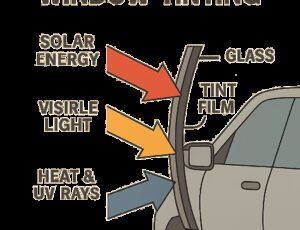
Window film works by reflecting heat back into the room during the winter and reflecting solar energy away during the summer. This helps maintain a more consistent indoor temperature, reducing the need for heating and cooling. The film is typically made from polyester or other plastic materials and comes in various levels of thickness and tint.
The dual functionality of window film in different seasons makes it an attractive option for homes in diverse climates. During colder months, the film reduces heat loss, thereby minimizing the demand on your heating system. Conversely, in the summer, it reduces the influx of heat, keeping your cooling requirements in check. This seasonal adaptability is what makes window film a year-round energy-saving solution.
Benefits of Window Insulation Film
The decision to invest in window insulation film comes with several benefits. Let’s take a closer look at some of the most compelling reasons to consider this home improvement solution.
Energy Efficiency and Cost Savings
One of the primary benefits of window insulation film is increased energy efficiency. By reducing the amount of heat lost through your windows, you can lower your heating and cooling costs. In some cases, homeowners have reported savings of up to 30% on their energy bills after installing window film.
Moreover, the savings on energy bills are not the only financial advantage. The reduced strain on your heating and cooling systems can extend their lifespan, reducing the need for costly repairs or replacements. Additionally, the film itself is relatively low-cost compared to other energy-saving renovations, offering an excellent return on investment.
Improved Comfort

Window insulation film helps maintain a consistent indoor temperature, leading to a more comfortable living environment. You won’t have to deal with cold drafts near windows in the winter or excessive heat in the summer. This improvement in comfort can make your home a more enjoyable place to live.
Beyond temperature regulation, window film can also reduce glare from sunlight, which can be a significant comfort factor. Whether you’re watching TV or working on a computer, decreased glare can enhance your daily living experience. The ability to control natural light also allows you to create a more soothing and personalized atmosphere within your home.
UV Protection
Window film also offers protection from harmful UV rays, which can damage your furniture, floors, and other interior elements over time. By blocking up to 99% of UV rays, window film helps preserve the beauty and longevity of your home’s interior.
This protection extends beyond just preserving your home’s aesthetics. Prolonged exposure to UV rays can also contribute to health concerns, such as skin damage. By acting as a shield against UV rays, window film not only protects your home but also contributes to the well-being of its occupants.
Enhanced Privacy and Security
Many types of window films also provide added privacy by reducing visibility from the outside while still allowing natural light to enter. Some films are also designed to strengthen glass, making windows more resistant to shattering.
This added layer of security can be particularly appealing in urban settings or homes with large glass windows facing busy streets. With privacy films, you can enjoy the natural light without compromising your sense of seclusion. Furthermore, the extra durability offered by certain films can act as a deterrent against break-ins, providing peace of mind.
Aesthetic Appeal
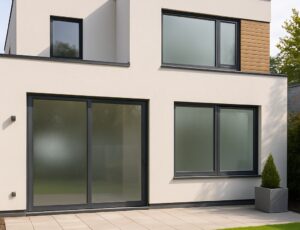
Window insulation film is available in various styles and tints, allowing you to choose a look that complements your home’s design. Whether you want a clear film that maintains your view or a decorative film that adds a touch of style, there’s an option to suit your needs.
The variety in design options means that window films can also serve as an interior design element. From frosted designs to patterns that mimic etched glass, the right choice can enhance the visual appeal of your space. This versatility makes window film not only a functional addition but also a stylish one.
Is Window Insulation Film a Smart Investment?
The decision to invest in window insulation film depends on several factors, including your budget, climate, and specific needs. Here are some considerations to help you determine if it’s the right choice for you.
Cost vs. Savings

by wei (https://unsplash.com/@chanwei_snap)
While the initial cost of window film installation can vary depending on the size and number of windows, many homeowners find that the energy savings over time offset the upfront investment. When considering the cost, it’s important to factor in the potential reduction in energy bills and the extended lifespan of your furnishings due to UV protection.
Additionally, the cost-effectiveness of window film can be enhanced by the potential increase in property value. Energy-efficient homes are attractive to eco-conscious buyers, and the presence of window film can be a selling point. Therefore, the investment can yield financial benefits both in terms of savings and property appreciation.
Climate Considerations
Window insulation film is particularly beneficial in regions with extreme temperatures. If you live in an area with harsh winters or hot summers, the energy savings and improved comfort can make window film a worthwhile investment.
For those in moderate climates, window film still offers benefits, though they might not be as pronounced. However, the added UV protection and aesthetic enhancements can justify the investment regardless of the climate. Evaluating local weather patterns and your home’s specific needs will help determine the film’s value.
Long-Term Benefits
In addition to immediate savings on energy bills, window film can contribute to the long-term value of your home. Energy-efficient improvements are often attractive to potential buyers, making your home more marketable should you decide to sell.
Sustainability is becoming a key consideration for many homeowners and buyers. By investing in energy-efficient solutions like window film, you’re not only reducing your carbon footprint but also appealing to a growing demographic that values environmental responsibility. This long-term advantage can enhance both your lifestyle and your home’s market position.
Choosing the Right Window Film
When selecting window insulation film, it’s essential to consider your specific needs and preferences. Here are some factors to consider when choosing the right film for your home.
Type of Film
There are several types of window films available, each designed for different purposes. Consider whether you need film primarily for energy efficiency, UV protection, privacy, or a combination of these factors.
Researching different types of films can help you make an informed decision. For example, solar control films are ideal for those focused on energy savings, while decorative films cater to aesthetic needs. Understanding the specific benefits of each type will ensure that you choose